


Business Batteries Buying Guide: Sizes, Duracell and Bulk Buying
Businesses get through batteries quickly, in remotes, scales, scanners, smoke alarms, label guns, clocks and torches. Buying well comes down to four things: know the sizes you need (AA, AAA, C, D, 9V and coin cells), choose alkaline for everyday use, pick the right grade (Duracell Plus for retail, Procell for industrial bulk), and buy in bulk to cut the cost per battery. This guide covers sizes, brands and bulk buying so you are never caught short.
What batteries does a business need?
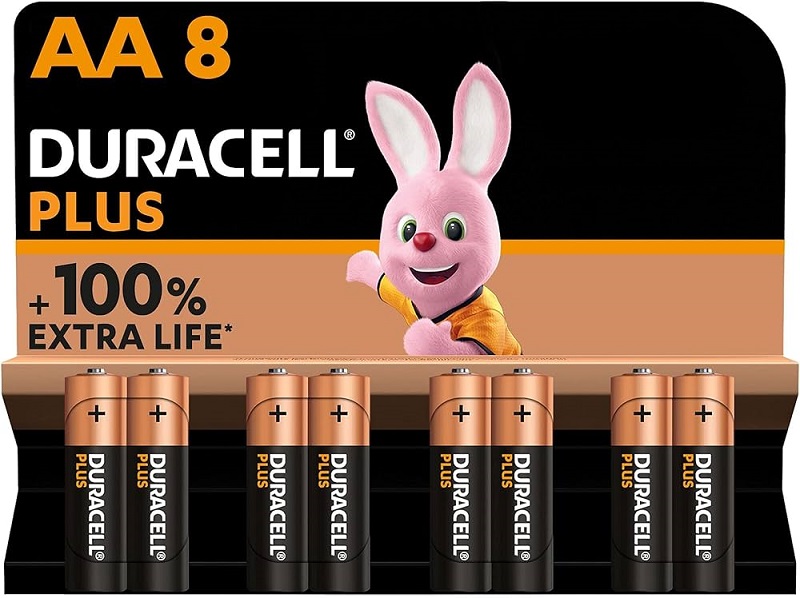
Most businesses use AA and AAA batteries the most, for remotes, scanners, scales, label guns, keyboards and clocks, plus 9V for smoke alarms and some equipment. C and D appear in torches and larger devices, and coin cells in small electronics. Stocking AA, AAA and 9V covers the majority of everyday needs, with C and D kept for the specific kit that uses them.
Battery sizes explained: AA, AAA, C, D and 9V
The common sizes and where they go:
| Size | Voltage | Typical use |
|---|---|---|
| AAA | 1.5V | Remotes, small scanners, keyboards, mice |
| AA | 1.5V | Scales, label guns, clocks, most devices |
| C | 1.5V | Mid-size torches, some equipment |
| D | 1.5V | Large torches, high-drain devices |
| 9V (PP3) | 9V | Smoke alarms, detectors, some meters |
The 1.5V sizes are explained in 1.5V batteries: AA, AAA, C and D, which do you need.
9V batteries for smoke alarms and equipment
Most smoke alarms take a 9V (PP3) battery, the small rectangular one with two snap terminals, though some take AA cells and newer alarms have a sealed 10-year lithium battery you do not replace. Beyond alarms, 9V powers detectors, some meters and test equipment. Test alarms regularly and change the battery the moment it chirps.
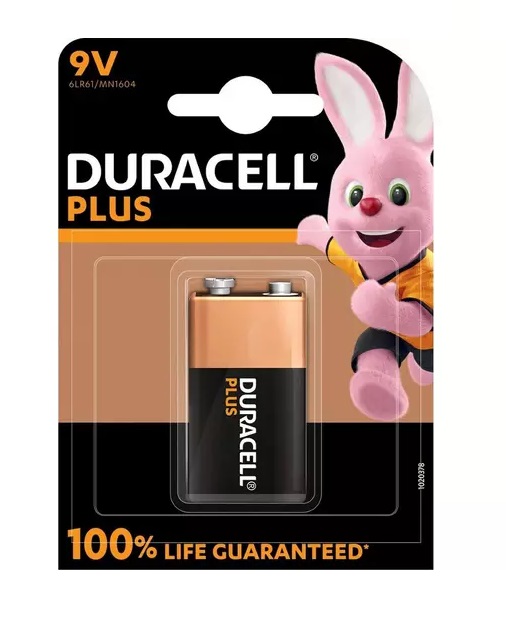
More on these is in 9V batteries for smoke alarms and equipment.
C and D batteries: uses and shelf life
C and D are both 1.5V cylindrical batteries, but D is larger and holds more energy, so it lasts longer in high-drain devices like big torches and some equipment. C sits between AA and D in size and capacity. They are not interchangeable, the device takes one or the other, so check before buying and keep a small stock of whichever your kit uses.
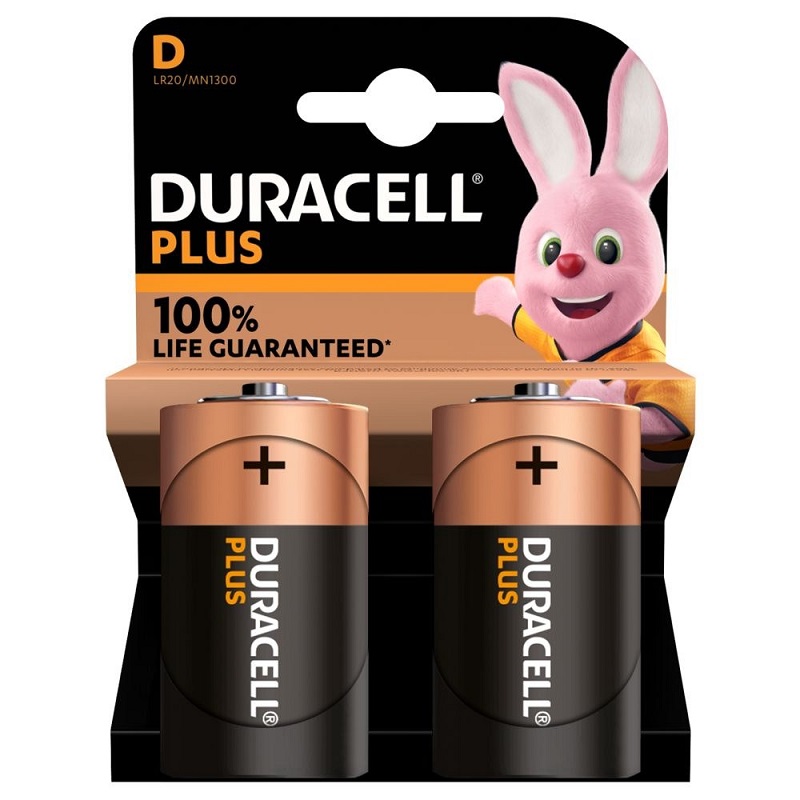
Sizes, uses and shelf life are covered in C and D batteries explained.
Duracell Plus vs Procell: retail vs industrial
Duracell Plus is the retail line you see on shop shelves, in consumer blister packs. Procell is Duracell's professional line for businesses that use a lot of batteries, the same reliable alkaline chemistry in plain bulk packaging at a lower cost per battery. If you go through batteries in volume, Procell is the cheaper way to buy the same quality, with Procell variants tuned for low-drain or high-drain devices.
The two are compared in Duracell Plus vs Procell: retail vs industrial batteries.
Alkaline vs rechargeable for business
For devices that drain batteries fast and often, wireless scanners, high-use remotes, rechargeable (NiMH) batteries save money and waste over time, despite the upfront cost of cells and a charger. For low-drain or occasional devices, single-use alkaline is simpler and cheaper. Most businesses sensibly use both, matched to the device: rechargeable where the turnover is high, alkaline everywhere else.
Buying batteries in bulk
Alkaline batteries keep most of their charge for around 5 to 10 years if stored cool, dry and in their packaging, so buying a bulk stock ahead is both cheaper per unit and practical. Avoid heat and humidity, do not mix old and new batteries in a device, check the best-before date, and rotate stock so older batteries are used first. For volume users, Procell is the lowest cost per battery.
Stock up on batteries
AA, AAA, C, D and 9V, Duracell Plus and Procell, single packs to bulk, at trade prices with fast Irish delivery.
Where to buy business batteries in Ireland
Shop4Rolls supplies batteries to shops, offices and facilities across Ireland, AA, AAA, C, D and 9V, in Duracell Plus and bulk Procell, at wholesale prices with free delivery on qualifying orders. Browse Duracell batteries and retail shop essentials, or the full retail fixtures range.
Frequently asked questions
What batteries do most businesses use?
Most businesses use AA and AAA batteries the most, for remotes, scanners, scales, label guns, keyboards and clocks, plus 9V for smoke alarms and some equipment. C and D crop up in torches and larger devices, and coin cells in small electronics. Stocking AA, AAA and 9V covers the majority of everyday needs.
What battery does a smoke alarm take?
Most smoke alarms take a 9V (PP3) battery, the small rectangular one with two snap terminals, though some take AA cells and newer alarms have a sealed 10-year lithium battery you do not replace. Check your alarm, but 9V is the classic smoke-alarm battery. Test alarms regularly and change the battery the moment it chirps.
What is the difference between Duracell Plus and Procell?
Duracell Plus is the retail line you see on shop shelves, in consumer blister packs. Procell is Duracell's professional line for businesses that use a lot of batteries, the same reliable alkaline chemistry in plain bulk packaging at a lower cost per battery. For a high-volume user, Procell is the cheaper way to buy the same quality.
How long do batteries last in storage?
Alkaline batteries typically keep most of their charge for around 5 to 10 years if stored correctly, cool, dry and in their packaging, so buying a stock ahead is sensible. Avoid heat and humidity, do not mix old and new batteries in a device, and check the best-before date on the pack. Rotate stock so older batteries are used first.
Are rechargeable batteries worth it for a business?
It depends on use. For devices that drain batteries fast and often, like wireless scanners or high-use remotes, rechargeable (NiMH) batteries save money and waste over time, despite the higher upfront cost of cells and a charger. For low-drain or occasional devices, single-use alkaline is simpler and cheaper. Many businesses use both, matched to the device.
What is the difference between C and D batteries?
C and D are both 1.5V cylindrical batteries, but D is larger and holds more energy, so it lasts longer in high-drain devices like big torches and some equipment. C sits between AA and D in size and capacity. They are not interchangeable, the device takes one or the other, so check before buying and keep whichever your equipment uses.