


Commercial Cleaning Chemicals: A Practical Guide for Irish Businesses
Commercial cleaning chemicals sort into a handful of jobs: multipurpose and hard-surface cleaners for general use, disinfectants and sanitisers for germs, washing-up liquid and dishwasher detergent with rinse aid for the kitchen, degreasers for heavy grease, and toilet and washroom cleaners. The trade tricks are simple: buy concentrates and dilute, choose food-safe products for food areas, colour-code, and never mix chemicals. This guide covers each category and how to buy it well.
What cleaning chemicals does a business need?
Most shops, cafes and kitchens run on six product types. Get these and you cover nearly every job:
- Multipurpose / hard-surface cleaner for general surfaces.
- Sanitiser or disinfectant for germs, food-safe in food areas.
- Washing-up liquid for hand-washing and pot wash.
- Dishwasher detergent and rinse aid for the machine.
- Degreaser for ovens, ranges and extraction.
- Toilet and washroom cleaner for staff and customer facilities.
Multipurpose and hard-surface cleaners
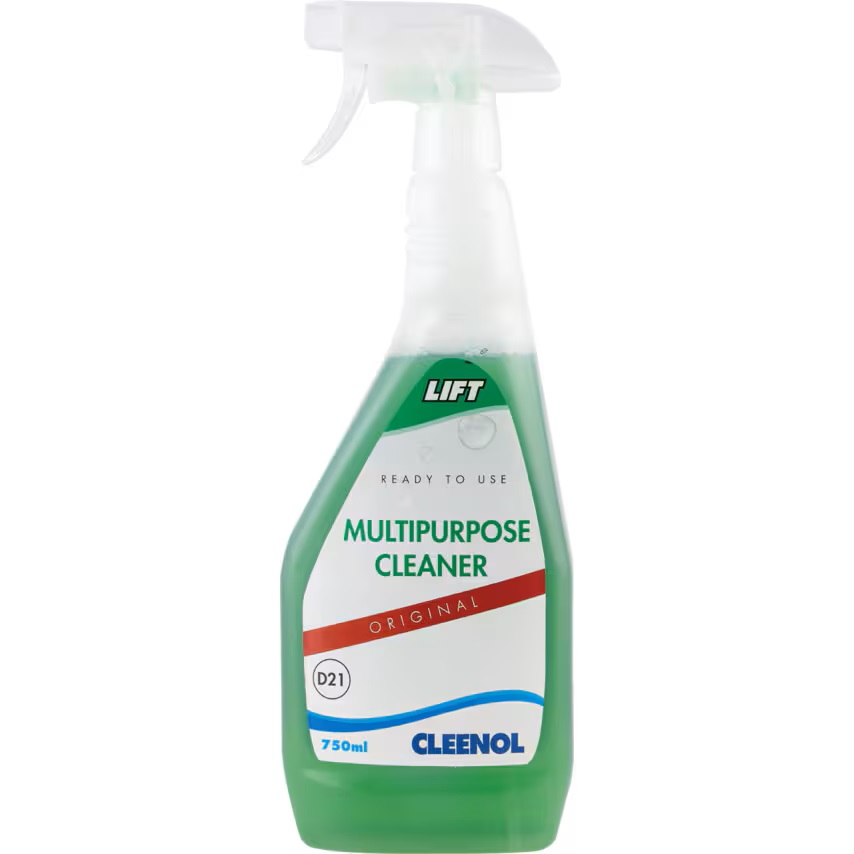
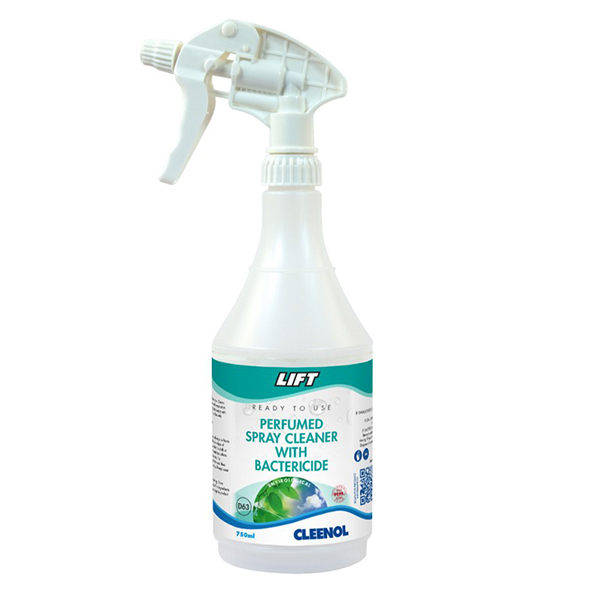
A multipurpose cleaner handles the everyday: counters, tables, shelves and general surfaces. Spray cleaners are convenient ready-to-use, while concentrates dilute for bulk value. For grease-heavy spots a dedicated degreaser does a better job, but for most surfaces a good multipurpose or perfumed spray cleaner is the daily workhorse.
For the tough kitchen jobs, see kitchen degreasers and hard-surface cleaners for catering.
Disinfectants and sanitisers
A sanitiser reduces bacteria to a safe level and suits food-contact surfaces, while a disinfectant kills a higher proportion of germs for stronger control. Many products combine cleaning and sanitising in one. Whichever you use, the contact time on the label is what makes it work, leave the surface wet for the stated time before wiping, rather than spraying and immediately drying.
Common products and food-safe choices are covered in disinfectants and sanitisers: Milton, Dettol and food-safe choices.
Washing-up liquid in bulk
For hand-washing pots, glasses and utensils, washing-up liquid is a constant cost, which is exactly why it pays to buy it in bulk. Trade 5-litre containers and concentrates cut the price per wash sharply against retail bottles. The options are set out in buying washing-up liquid in bulk: Fairy and trade options.
Dishwasher detergent and rinse aid
Commercial dishwashers use a strong detergent plus rinse aid, and often a descaler in hard-water areas. Rinse aid lowers the water's surface tension so it sheets off glasses instead of beading, drying them clear with no spots. Getting the dosing right, detergent and rinse aid both, is the difference between sparkling glassware and a cloudy, re-wash mess.
How to dose and choose them is in dishwasher tablets and rinse aid for commercial machines.
Toilet and washroom cleaners
Washrooms need their own products: a toilet cleaner or descaler for limescale, a washroom surface cleaner, and often blocks or fresheners. Keep these strictly separate from food-area chemicals and cloths, by colour-coding, so nothing crosses over. The range is covered in toilet and washroom cleaners: Harpic, descalers and blocks.
Concentrates, dilution and colour-coding
Concentrated chemicals are diluted with water at the point of use, so you pay for far less water and packaging and get many more uses per container. Use a dosing system or dilution bottle, label it clearly, and colour-code your trigger sprays by area, the same red, yellow, green and blue system as mops and cloths, so the washroom spray never ends up on a food surface.
The colour system is explained in colour-coded cleaning: the cloth colour system for food safety.
Buying and using cleaning chemicals safely
Cleaning chemicals are covered by COSHH (Control of Substances Hazardous to Health). The basics keep staff safe and you compliant: keep products in their original labelled containers, store them safely and away from food, hold the safety data sheets, dilute to the stated strength, and never mix products, bleach with an acidic or ammonia cleaner can release toxic gas. Train staff on contact times and protective gloves.
Safety first: never decant a chemical into an unlabelled bottle, and never combine products to make them "stronger". If a job needs more power, buy a product made for it. This guide is general information, follow each product's data sheet and instructions.
Stock your cleaning chemicals
Multipurpose cleaners, sanitisers, washing-up liquid, rinse aid, degreasers and washroom cleaners, concentrates and ready-to-use, at trade prices with fast Irish delivery.
Where to buy cleaning chemicals in Ireland
Shop4Rolls supplies commercial cleaning chemicals to shops, kitchens and facilities across Ireland, cleaners, sanitisers, washing-up liquid, dishwasher products, degreasers and washroom cleaners, at wholesale prices with free delivery on qualifying orders. Browse cleaning agents or the full retail cleaning range, and pair them with the right tools in the cleaning supplies guide.
Frequently asked questions
What cleaning chemicals does a commercial kitchen need?
A commercial kitchen needs, at minimum: a washing-up liquid, a dishwasher detergent and rinse aid, a food-safe sanitiser or disinfectant for surfaces, a degreaser for ovens and heavy grease, and a multipurpose cleaner. Add a toilet and washroom cleaner for the staff areas. Buying the high-use products as bulk concentrates keeps the cost down.
What is the difference between a disinfectant and a sanitiser?
A sanitiser reduces bacteria to a safe level and is common on food-contact surfaces, while a disinfectant kills a higher proportion of germs and is used where stronger control is needed. Many products are combined cleaner-sanitisers. Whichever you use, the contact time on the label matters, leave it wet for the stated time to actually work.
What does rinse aid do in a commercial dishwasher?
Rinse aid lowers the surface tension of the water so it sheets off glasses and crockery instead of beading, which means they dry fast and clear with no spots or smears. In a commercial dishwasher it works alongside the detergent and, in hard-water areas, a descaler. Correct dosing gives sparkling glassware and is well worth getting right.
Is it cheaper to buy cleaning chemicals as concentrates?
Usually, yes. Concentrated cleaning chemicals are diluted with water at the point of use, so you pay for less water and packaging and get many more uses per bottle. They need correct dosing, a dilution bottle or dosing system, and clear labelling, but for any regular-use product the saving over ready-to-use bottles is significant.
Can you mix cleaning chemicals?
No, never mix cleaning chemicals. Combining products, especially bleach with acidic or ammonia-based cleaners, can release toxic gases such as chlorine. Use one product at a time, rinse between different chemicals, and keep everything in its original labelled container. If you need a stronger result, choose a product made for the job rather than mixing your own.
What is a food-safe cleaner?
A food-safe cleaner or sanitiser is one approved for use on food-contact surfaces, typically meeting standards such as BS EN 1276. Used and rinsed as the label directs, it cleans or disinfects without leaving harmful residue on surfaces that touch food. In kitchens and food areas, always choose food-safe products and follow the contact time and rinsing instructions.