


Compostable Foodservice Packaging: The Complete Eco Guide for Irish Cafes
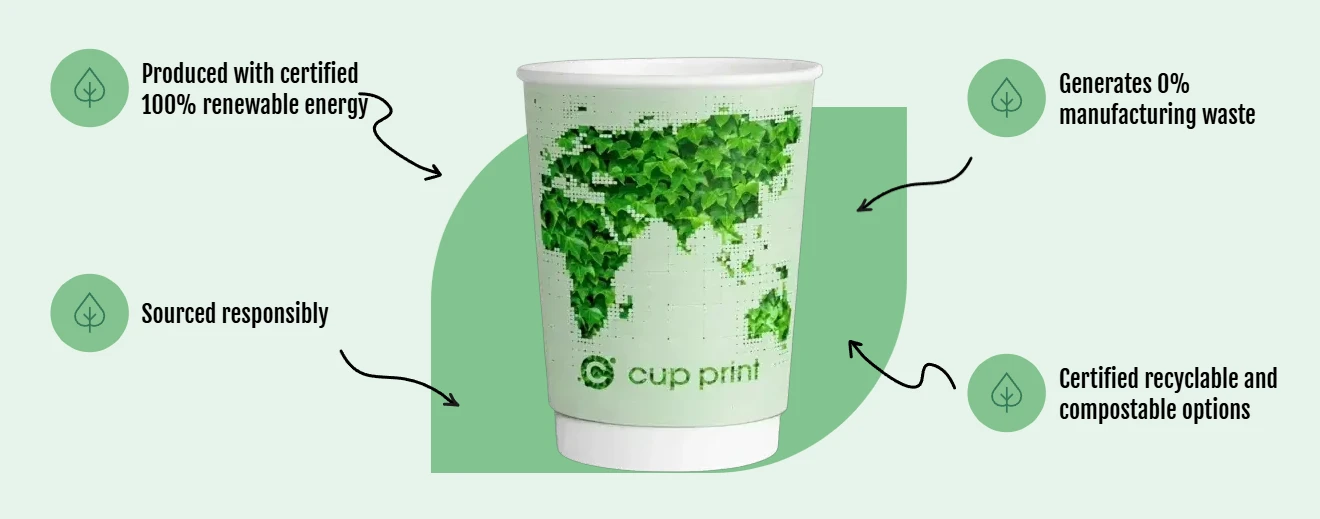
Compostable foodservice packaging breaks down into compost under the right conditions, instead of lingering like ordinary plastic. For Irish cafes it matters for three reasons: EU rules now ban many single-use plastics, customers increasingly expect greener options, and a levy on disposable cups is part of the wider shift. The catch worth knowing up front: most compostable packaging needs industrial composting, not your brown bin, so choosing it is only half the job. This guide covers the materials, the rules and how to switch.
What does "compostable" actually mean?
Compostable means an item is certified to break down into compost within a set time under defined conditions, leaving no harmful residue, to a recognised standard such as EN 13432. That certification is the key difference from vaguer "eco" claims. Importantly, most certifications are for industrial composting, which runs hotter and faster than a garden compost heap, so a compostable label is not a promise that it will rot in your back garden.
So two questions matter for any item: is it certified compostable, and for which process, home or industrial. Get those right and the green claim is real; ignore them and it is just marketing.
Compostable vs biodegradable vs recyclable
These three get mixed up, and the differences are practical:
- Biodegradable simply means it will break down eventually, with no guaranteed time, conditions or end result. On its own, it is a weak claim.
- Compostable means it breaks down into compost within a set time under defined conditions, certified to a standard. Stronger and specific.
- Recyclable means it can be reprocessed into new material, a different route again, and the better option for clean paper, card and many plastics.
The full distinction, with examples, is in biodegradable vs compostable packaging.
The eco materials: PLA, bagasse, kraft and CPLA
Four materials cover most compostable foodservice packaging. PLA is a plant-based bioplastic used for cold cups and clear items (industrially compostable). Bagasse is moulded sugarcane fibre for plates, bowls and hot-food containers (home and industrially compostable). Kraft is unbleached paperboard for boxes and bags (recyclable and compostable). CPLA is a heat-tolerant form of PLA used for hot-drink cutlery and lids.
| Material | Made from | Best for | Composting |
|---|---|---|---|
| PLA | Plant starch (bioplastic) | Cold cups, clear items, linings | Industrial |
| Bagasse | Sugarcane fibre | Plates, bowls, hot-food containers | Home & industrial |
| Kraft | Unbleached paperboard | Boxes, bags, sleeves | Recyclable & compostable |
| CPLA | Crystallised PLA | Hot cutlery, lids | Industrial |
Which material for which job is compared in PLA vs bagasse vs kraft.
Compostable cutlery: wooden and CPLA
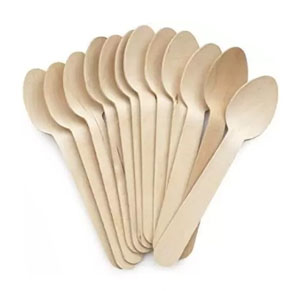
With single-use plastic cutlery banned, the two main replacements are wooden (usually birch) and CPLA. Wooden cutlery is fully natural, home compostable and has a premium, tactile feel; CPLA looks and behaves more like traditional plastic and tolerates heat well, but needs industrial composting. Both are food-safe and sturdy enough for real meals, not just light snacks.
The choice between them is covered in wooden and CPLA cutlery and wooden cutlery vs plastic. Shop the range on cutlery and straws.
Are compostable cups really compostable?
Often only under the right conditions. Most compostable cups are certified for industrial composting, which reaches higher temperatures than a garden heap, so they will not reliably break down in home composting or in landfill. They are genuinely compostable, but they need the correct facility, which is why the disposal route matters as much as the cup itself. A compostable cup in a general bin still ends up as general waste.
The home-versus-industrial question, and how to read the certification logos, is in are compostable cups really compostable.
How to dispose of compostable packaging in Ireland
Check with your waste collector before assuming the brown bin. Many compostable items are certified only for industrial composting, and not all Irish brown-bin services accept packaging, because it can contaminate the compost or is not processed locally. Where it is not accepted, compostable packaging goes in general waste, not the recycling bin. Clear staff and customer signage prevents the wrong bin.
Practical tip: decide the disposal route before you buy. Compostable packaging only delivers its benefit if it reaches a facility that can process it. The brown-bin and green-bin rules are set out in brown bin or green bin: disposing of compostable packaging in Ireland.
The rules: single-use plastic ban and the cup levy
Two pieces of regulation drive the shift. First, the single-use plastics ban: under EU rules adopted in Ireland, single-use plastic cutlery, plates, straws, stirrers and expanded polystyrene cups and food containers can no longer be placed on the market, which is why so many cafes have already switched. Second, Ireland's Circular Economy Act provides for a levy on single-use disposable cups, nudging customers toward reusables. Both are explained, with the current position, in the latte levy and single-use plastic rules in Ireland.
How to switch your cafe to compostable packaging
A sensible order of switching, rather than changing everything at once:
- Replace the banned items first, plastic cutlery, straws and polystyrene, with wooden or CPLA cutlery and fibre containers.
- Move cold cups and clear items to PLA, and hot-food containers to bagasse.
- Choose PFAS-free lines throughout, so the grease-proofing is clean too.
- Sort out disposal: confirm what your collector accepts, then label bins for staff and customers.
- Tell the story: a small sign about your switch earns real goodwill.
Switch to compostable packaging
Bagasse containers, PLA cups, wooden and CPLA cutlery, kraft boxes and bags, PFAS-free and certified, at trade prices with fast Irish delivery.
Where to buy compostable packaging in Ireland
Shop4Rolls supplies compostable and eco foodservice packaging to cafes, delis and caterers across Ireland, fibre containers, cups, cutlery, bags and more, at wholesale prices with free delivery on qualifying orders. Start with cutlery and straws, coffee cups and lids, or the full catering packaging range. For takeaway-specific advice, see the takeaway packaging guide, and for cups, the paper cups buying guide.
Frequently asked questions
What is the difference between biodegradable and compostable?
Biodegradable just means something will eventually break down, with no guarantee of how long or into what. Compostable is stricter: it must break down into compost within a set time under defined conditions, and is certified to a standard such as EN 13432. In short, all compostable items are biodegradable, but not all biodegradable items are compostable.
Can you put compostable packaging in the brown bin in Ireland?
Not always, and you should check first. Many compostable items are certified only for industrial composting, which runs hotter than a home or brown-bin process, so some Irish waste collectors do not accept them in the brown bin. Confirm with your provider; where they are not accepted, the packaging goes in general waste, not recycling.
Are compostable cups really compostable?
Often only under the right conditions. Most compostable cups are certified for industrial composting, which reaches higher temperatures than a garden heap, so they will not reliably break down in home composting or in landfill. They are genuinely compostable, but they need the correct facility, which is why disposal guidance matters as much as the cup itself.
What is bagasse packaging?
Bagasse is the fibre left after juice is pressed from sugarcane, moulded into sturdy plates, bowls and food containers. It is naturally tree-free, sturdy enough for hot and wet food, and both home and industrially compostable, which makes it one of the most practical eco materials for foodservice. It also handles grease and heat better than many alternatives.
Is plastic cutlery banned in Ireland?
Yes, certain single-use plastics are banned. Under EU rules adopted in Ireland, single-use plastic cutlery, plates, straws, stirrers and expanded polystyrene food containers and cups can no longer be placed on the market. This is why cafes have moved to wooden or CPLA cutlery and fibre-based containers. Reusable and certified compostable alternatives are the way forward.
Is compostable packaging more expensive?
Usually a little more per item than basic plastic, but the gap has narrowed and the rules have removed many cheap plastic options anyway. Bagasse and kraft are often close to plastic on price, while PLA and some certified items cost a bit more. Factor in customer goodwill and compliance, and the difference is generally modest.