
Food Labelling Compliance in Ireland: Allergens, Dates and HACCP

Food labelling compliance in Ireland is governed mainly by EU food information rules (Regulation 1169/2011) and overseen by the Food Safety Authority of Ireland (FSAI). For a food business it comes down to three things: declaring the 14 allergens correctly, getting date labels right (use-by versus best-before), and supporting your HACCP system with prep and rotation labels. This guide explains each, and the labels that help you comply. It is general information, not legal advice, so check current FSAI guidance for your business.
Please note: this guide is general information to help you understand the basics, not legal advice. Food law changes and depends on your exact business. Always confirm your obligations with the FSAI (Food Safety Authority of Ireland) or a qualified adviser before relying on it.
What does food labelling law require in Ireland?
Most food labelling rules in Ireland come from EU law, chiefly the Food Information to Consumers regulation (often shortened to FIC, Regulation 1169/2011), applied and enforced here by the FSAI alongside the HSE and local authorities. In plain terms, customers must be able to find out what is in their food, especially anything that could harm them, and food must be labelled honestly and clearly. The detail then depends on whether food is prepacked, prepacked for direct sale, or sold loose. The three areas that catch most businesses are allergens, dates and HACCP, covered next.
The 14 allergens you must declare
There are 14 allergens that must be declared: celery, cereals containing gluten, crustaceans, eggs, fish, lupin, milk, molluscs, mustard, peanuts, sesame, soybeans, sulphur dioxide and sulphites, and tree nuts. On prepacked food they must be emphasised within the ingredients list, for example in bold, so a customer can spot them at a glance. For loose and prepacked-for-direct-sale food, the information must still be available.
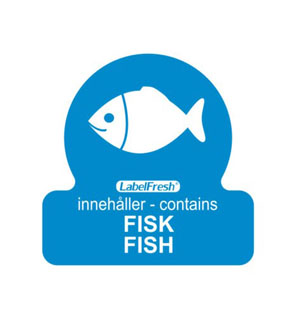
The full list, with examples of where each hides, is in what allergens must be labelled: the 14 allergens explained.
Natasha's Law and PPDS food
Prepacked for direct sale (PPDS) food is made and packed on the same premises before a customer orders it, a sandwich made in-store and put on a shelf, for example. The rule often called Natasha's Law, after the UK legislation, requires PPDS food to carry a full ingredient list with allergens emphasised. In Ireland, allergen information must likewise be provided for PPDS and non-prepacked food, so the practical effect for your kitchen is similar.
What PPDS means for your labels, step by step, is in Natasha's Law and PPDS: allergen labelling for prepacked food.
Use-by vs best-before: date labelling
The two dates mean different things. A use-by date is about safety: do not eat or sell the food after it, used on perishable items such as fresh meat, fish and dairy. A best-before date is about quality: the food is usually still safe afterwards but may have lost some quality, used on tinned, dried and frozen goods. Use-by is the line you must never cross when selling.
| Date | About | Used on | Sell past it? |
|---|---|---|---|
| Use-by | Safety | Fresh meat, fish, dairy, prepared food | No, never |
| Best-before | Quality | Tinned, dried, frozen, ambient goods | Often yes, if still good |
How to apply each correctly is in use-by vs best-before: date labelling for food businesses.
HACCP, day dots and food rotation labels
HACCP (Hazard Analysis and Critical Control Points) is the food-safety management system every food business needs. Day dots and prep labels support it: a colour-coded label for each day of the week shows when food was prepared or opened, so staff can rotate stock and discard anything past its time. They are good HACCP practice rather than a single legal label, but inspectors expect to see a clear, working rotation system.

How to set up a day-dot system is in HACCP and food rotation labels: day dots and prep labels.
Food safety signs for the kitchen
Labelling is part of a wider picture. Clear food safety signs, handwashing reminders, cleaning schedules, allergen notices and temperature prompts, back up your HACCP system and are an easy win at inspection time. The essentials every kitchen should display are listed in food safety signs every Irish kitchen needs.
What labels does a compliant food business need?
A practical starter kit, matched to the rules above:
- Allergen labels for deli counters, buffets and PPDS items.
- Day dots / rotation labels (colour-coded by day) for prep and opened stock.
- Use-by and prep labels for dated, prepared food.
- Ingredient / PPDS labels for food packed for direct sale.
- Food safety signage for the kitchen and prep areas.
Get compliant food safety labels
Allergen labels, colour-coded day dots, use-by and prep labels, plus pre-printed labels, at trade prices with fast Irish delivery.
Where to buy food safety labels in Ireland
Shop4Rolls supplies food-safety and allergen labels to kitchens, delis and food businesses across Ireland, day dots, allergen labels, prep and use-by labels, at wholesale prices with free delivery on qualifying orders. Browse food safety labels and pre-printed labels, or the full price guns and labels range.
Frequently asked questions
What are the 14 allergens that must be labelled?
The 14 allergens that must be declared are celery, cereals containing gluten, crustaceans, eggs, fish, lupin, milk, molluscs, mustard, peanuts, sesame, soybeans, sulphur dioxide and sulphites, and tree nuts. On prepacked food they must be emphasised in the ingredients list, for example in bold, so customers can spot them quickly.
What is Natasha's Law?
Natasha's Law is the common name for the UK rule requiring prepacked for direct sale (PPDS) food, items made and packed on the same premises before being ordered, to carry a full ingredient list with allergens emphasised. In Ireland, allergen information must also be available for PPDS and non-prepacked food, so the practical effect is similar. Check current FSAI guidance.
What is the difference between use-by and best-before?
A use-by date is about safety: do not eat the food after it, used on perishable items like fresh meat and dairy. A best-before date is about quality: the food is usually still safe afterwards but may not be at its best, used on tinned, dried and frozen goods. Use-by is the one you must never sell past.
Do I need to label allergens on food made in my shop?
Yes, you must provide allergen information for food you make and sell, including food prepacked for direct sale. The exact format depends on whether the food is prepacked, prepacked for direct sale, or sold loose, but in every case customers must be able to find out which of the 14 allergens a dish contains. Follow current FSAI guidance for your setup.
What are day dots and do I need them?
Day dots are small colour-coded labels showing the day a food was prepared or opened, with a different colour for each day of the week. They support your HACCP system and stock rotation, so staff can see at a glance what must be used or discarded. They are good HACCP practice rather than a single legal label, but a clear rotation system is expected.
Who enforces food labelling in Ireland?
The Food Safety Authority of Ireland (FSAI) oversees food safety and labelling, working with the HSE and local authorities who carry out inspections. The rules themselves come mainly from EU food information law, applied in Ireland. The FSAI publishes plain-language guidance and is the place to check the current detail for your type of business.