


Paper vs Plastic Bags: Which Is Better for Your Shop and the Planet?
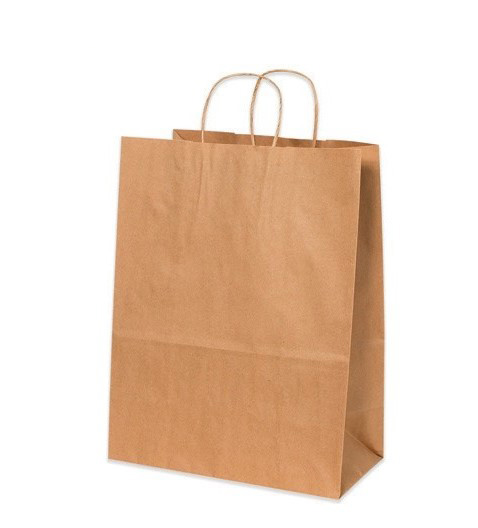
Paper carrier bags are the better choice for most Irish shops. They are recyclable, compostable, they take print well, and customers now expect them. Plastic bags cost less and shrug off rain, but they attract Ireland's plastic bag levy and read badly to shoppers. Lead with paper, keep plastic only where water resistance matters.
Are paper or plastic bags better for a shop?
Paper bags suit most shops better. They are recyclable and compostable, they carry your logo cleanly, and handing one over feels like part of the purchase. Plastic bags are cheaper per unit and stay strong when wet, but the levy is charged to the customer and single-use plastic now reflects poorly on a brand.
The honest answer is that it depends on what you sell and how far the customer carries it. A clothes shop, a gift shop, a bakery or a deli gets more back from a printed kraft bag than it pays for it. A garden centre, a fishmonger or a hardware counter deals with wet and dirty goods, and there a plastic bag still does a job paper cannot.
Most Irish retailers have landed in the same place. Paper is the everyday bag, a strong reusable bag is offered for bigger shops, and plastic stays behind the counter for the few items that need it. The retail and e-commerce packaging guide covers where bags sit alongside the rest of your packaging.
Which is cheaper, paper or plastic bags?
Plastic bags cost less to buy than paper, size for size, because the material is thinner and lighter. Paper costs more per bag but carries no levy for the customer and needs no apology at the till. Buying either by the case rather than the pack brings the unit price down sharply.
Look at the whole cost, not the sticker price. A plastic bag adds the levy to your customer's bill, which is a small friction on every sale. A paper bag folds that cost into the purchase and doubles as advertising once it leaves the shop. If you print your name on it, the bag is working for you all the way down the street.
- Buy by the case. Odd small quantities always cost more per bag.
- Standardise on two sizes. One everyday bag and one large bag covers most shops.
- Do not oversize. A bag that is too big wastes money and looks untidy when half empty.
Which bag is stronger?
Strength depends on the grade of the bag, not the material. A heavy kraft paper bag with a twisted or taped handle carries a solid load. A thin plastic vest bag tears at the handle under the same weight. Plastic keeps its strength in the rain, and that is the one place paper genuinely loses.
Two things decide whether a paper bag holds up. The paper weight, and the handle. Twist handles and flat tape handles are glued into a reinforced top edge, which spreads the load instead of concentrating it at two points. Punched-hole bags without that reinforcement are fine for light goods and little else.
For wet goods, paper softens and the base gives way. If you sell chilled, frozen or dripping items, keep a plastic option or line the paper bag. Handle types and sizes are covered in paper carrier bags with handles.
How do paper and plastic bags compare?
| Factor | Paper carrier bag | Plastic carrier bag |
|---|---|---|
| Cost per bag | Higher | Lower |
| Levy in Ireland | No | Yes, charged to the customer |
| Water resistance | Poor | Good |
| Recycling | Kerbside recyclable, compostable | Soft plastic, recyclable but must go in clean and dry |
| Branding | Prints cleanly, premium feel | Prints, but looks cheap |
| Best for | Clothing, gifts, food, general retail | Wet, dirty or heavy loose goods |
Which is better for the environment?
Paper is easier to dispose of well. It goes in the household recycling bin, breaks down if it escapes, and is made from a renewable material. Plastic bags last far longer in the environment and are harder to recycle. The greenest bag of all is the one your customer reuses, whatever it is made from.
Making a paper bag is not free of impact. It uses more energy and water than a light plastic bag, so a paper bag used once and binned is not automatically the better outcome. What tips it is the end of life. Paper leaves the system cleanly. Plastic does not, and Ireland's levy exists to reduce how much of it is handed out.
The practical move is to offer a strong reusable bag as well, and to make your paper bags good enough to be used again. Soft plastics do have a route now, and how to sort them properly is covered in can bubble wrap be recycled in Ireland.
What about bags for posting orders?
Carrier bags are for the counter. Posting an order is a different job and needs a sealed bag. Polythene mailing bags suit clothing and soft goods, and padded mailers protect small fragile items. Do not post an order in a carrier bag, it opens in transit.
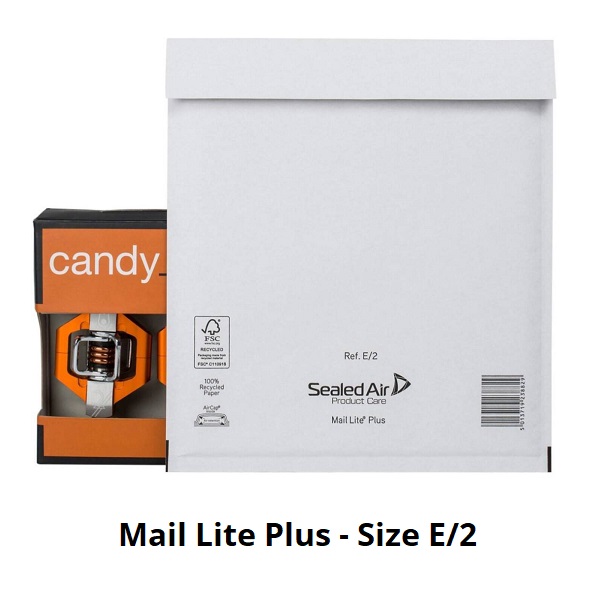
The options for online sellers are in mailing bags for e-commerce.
Stock up on carrier bags
Kraft paper bags, printed bags and plastic carriers in every common size, at trade prices with fast Irish delivery from our Cavan warehouse.
Frequently asked questions
Are paper or plastic bags better?
It depends on your priorities. Paper carrier bags are recyclable, compostable and increasingly expected by customers, and they brand well. Plastic bags are cheaper and water-resistant but attract Ireland's plastic bag levy and are less popular on environmental grounds. Most retailers now lead with paper bags and reusable bags-for-life, keeping plastic only where water resistance matters.
Is there a plastic bag levy in Ireland?
Yes. Ireland charges a levy on plastic shopping bags handed out at the till, and the retailer collects it from the customer. It was introduced to cut the number of single-use plastic bags handed out. Paper carrier bags are not covered by the levy, which is one reason most Irish shops now hand out paper as standard.
Which is cheaper, paper or plastic carrier bags?
Plastic bags cost less to buy than paper of a similar size, because the material is thinner and lighter. Paper costs more per bag but carries no levy for the customer and works as advertising once it is printed. Buying either by the case instead of in small packs brings the price per bag down a lot.
Are paper bags strong enough for heavy items?
A heavy kraft paper bag with a twist or flat tape handle carries a solid load, because the handle is glued into a reinforced top edge. Lighter punched-hole bags suit small items only. Paper does weaken when wet, so use a plastic bag or a liner for chilled, frozen or dripping goods.
Can paper carrier bags be recycled in Ireland?
Yes. Clean, dry paper carrier bags go into the household recycling bin, and plain kraft bags can also be composted. Remove any plastic-coated finish, ribbon or plastic handle first if the bag has one. Plastic carrier bags are a soft plastic, which most Irish collectors now accept in the recycling bin as long as the bag goes in clean, dry and loose.
Which carrier bag is better for the environment?
Paper is easier to dispose of well. It is recyclable, compostable and breaks down if it escapes into the environment, while plastic bags last far longer and are harder to recycle. Making paper does use more energy than thin plastic, so the best option overall is a strong bag your customer reuses many times.