


How to Pack Fragile Items for Posting
Fragile items travel safely when each piece is wrapped in bubble wrap, set on a cushioned base inside a sturdy box, and packed round with void fill so nothing touches the sides. Seal every seam with strong packing tape and mark the box fragile. Nothing should move when you shake the sealed parcel.
What do you need to pack a fragile item?
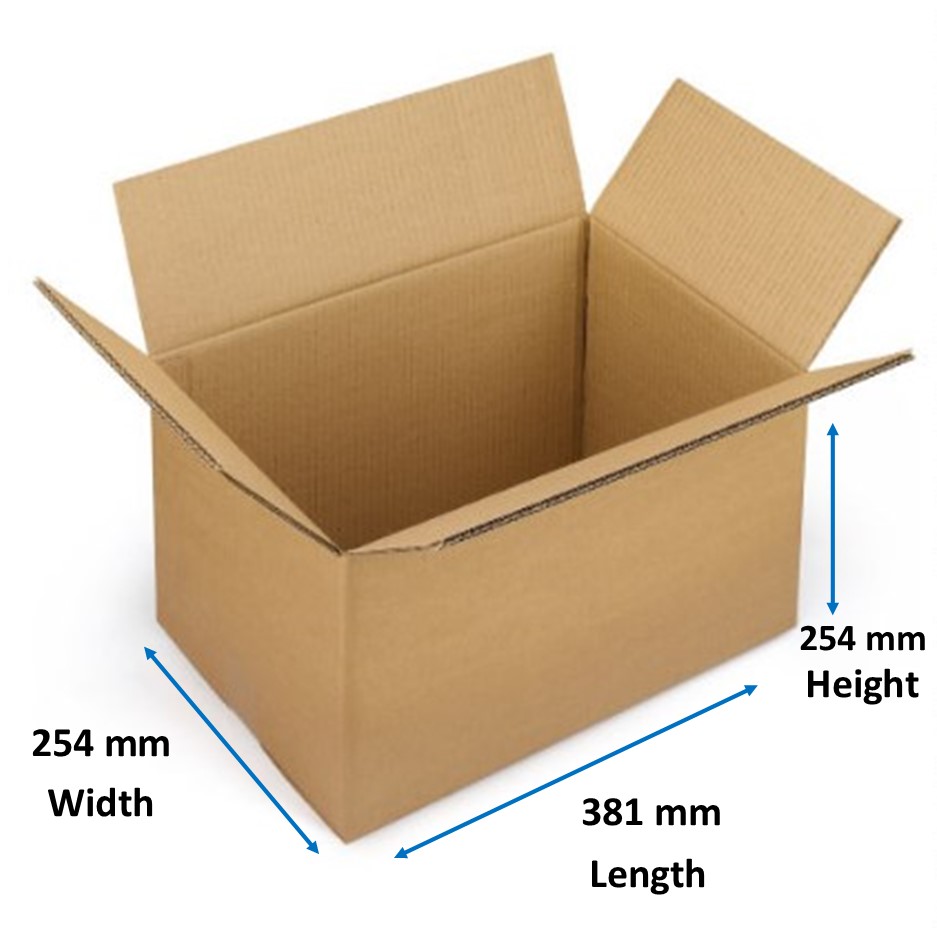
Packing a fragile item takes four things: a sturdy cardboard box a little larger than the item, bubble wrap to wrap each piece, void fill such as air pillows or paper to pack the gaps, and strong packing tape to seal it. Add corner protectors and fragile labels for anything heavy or high value.
Get these together before you start. Hunting for tape halfway through is how items end up half wrapped. Single wall boxes handle most light goods. Step up to a double wall box for anything heavy, bulky or genuinely breakable, because the extra fluted layer resists crushing when parcels are stacked. Sizes and grades are covered in cardboard box sizes and grades.
Reusing an old box is fine if it is clean, dry and still rigid. A box that has been soaked, crushed at a corner or opened and retaped several times has lost its strength. Cover or remove every old label and barcode so the courier scans the right one.
How do you wrap a fragile item properly?
Wrap each item separately in bubble wrap with the bubbles facing inwards, so the flat side takes the knocks and the air cells sit against the item. Use two or three full turns, then tape the wrap closed. Wrap handles, spouts, lids and other sticking-out parts a second time.
Weak points break first. On a mug it is the handle. On a picture frame it is the corners and the glass. On a bottle it is the neck. Give those parts an extra layer before you wrap the whole item. For plates and flat glass, wrap each piece on its own and stack them on edge rather than flat, because a plate on its side takes a vertical shock far better than one lying down.
- Glassware and ceramics: wrap singly, pad the inside of hollow items with paper, stand them upright.
- Plates and framed prints: wrap singly, pack on edge, add corner protectors.
- Electronics: wrap in antistatic material or a bag first, then bubble wrap.
- Bottles and jars: seal the cap with tape, wrap the neck twice, keep them upright.
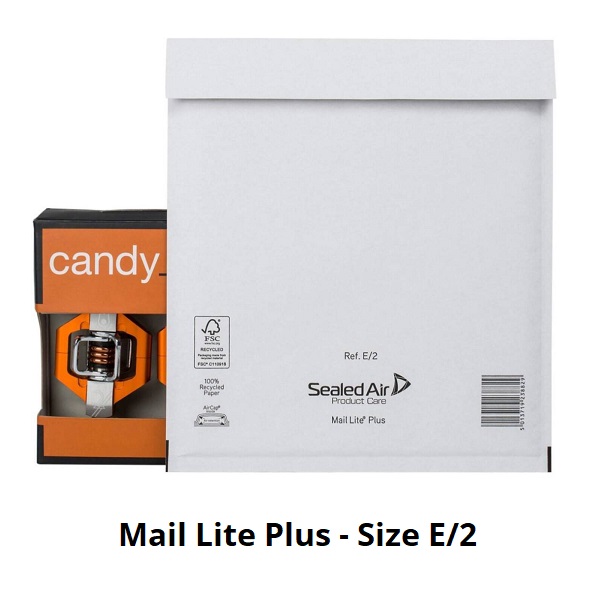
- Small fragile items: a padded mailer can be enough on its own. See mailing bags for e-commerce.
How much padding does a fragile parcel need?
Leave a cushioned gap of a few centimetres on all six sides, base and lid included. Put a layer of void fill in the bottom of the box first, sit the wrapped item on it, then pack round and over the top. The item should never touch the inside of the box.
Most damage happens when a parcel is dropped on a corner or a courier stacks something heavy on top. Padding works by spreading that shock out over time and distance. A wrapped item pressed flat against the cardboard has nothing to spread the force, so it takes the hit directly.
Pack more than looks necessary, then close the box and shake it gently. If you hear or feel movement, open it and add more fill. Repeat until it is silent. That shake test is the whole quality check.
Packing several fragile items in one box? Wrap each one, then separate them with a layer of bubble wrap or cardboard so they cannot knock together. Put the heaviest items at the bottom and the lightest on top.
Which void fill should you use?
Bubble wrap suits wrapping items directly. Air pillows fill large empty spaces quickly and weigh almost nothing. Paper void fill is recyclable and good for heavier goods that need firm support. Loose fill flows into odd shapes. Most sellers keep bubble wrap plus one filler and cover nearly everything.
| Material | Best for | Notes |
|---|---|---|
| Bubble wrap | Wrapping items directly | Bubbles face the item, tape it closed, small bubbles for light goods and large for bulky ones |
| Air pillows | Filling large voids | Very light, so postage stays low, poor at supporting heavy items |
| Paper void fill | Heavier goods, kerbside recyclable | Scrunch it so it springs back rather than laying it flat |
| Loose fill | Odd shapes and gaps | Fill the box fully, part-filled loose fill settles in transit |
| Corner protectors | Frames, glass, furniture edges | Guard the point most likely to be dropped on |
Bubble wrap is a soft plastic, and most Irish household recycling bins now take soft plastics. What to do with it, and how to prepare it, is covered in can bubble wrap be recycled in Ireland.
How do you seal and label a fragile parcel?
Seal the box with strong packing tape using the H method: one strip along the centre seam, then one across each end seam. Run the tape down the sides of the box by several centimetres. Put a fragile label on at least two faces, and the address label on the largest flat side.
Do not rely on office sticky tape or a single strip down the middle. Boxes burst at the ends far more often than the middle. Use the same H pattern on the bottom of the box before you fill it, so the base cannot open under the weight.
Fragile labels are worth using, though treat them as a request rather than a guarantee. Couriers handle huge volumes and parcels get sorted by machine. Your packing is what actually protects the goods. Put a copy of the address and a return address inside the box too, so it can still be delivered if the outside label is torn off.
Get your parcel protection sorted
Bubble wrap, void fill, corner protectors, boxes and packing tape, all in stock at trade prices with fast Irish delivery.
What are the most common fragile packing mistakes?
The usual mistakes are a box that is far too big, too little fill so contents rattle, wrapping several items together, using a tired reused box, and sealing with weak tape. All of them let the item move or let the box collapse, and movement is what breaks things.
- Oversized box: more empty space means more room to accelerate before something stops it.
- Undersized box: no room for padding, and the item presses on the wall.
- Items touching: two unwrapped glasses will chip each other on the first bump.
- Skipping the base layer: parcels are set down base first, over and over.
- Weak tape: the seam opens and the fill escapes, leaving the item loose.
Pack a couple of test parcels and shake them before you commit to a packing routine. Once you settle on box sizes and a filler that suit your products, buy those lines in quantity so packing stays quick and consistent. The wider picture, from carrier bags to pallet wrap, is in the retail and e-commerce packaging guide.
Frequently asked questions
How do you pack fragile items for posting?
Wrap each item in bubble wrap with the bubbles facing inwards and tape the wrap closed. Put a layer of void fill in the bottom of a sturdy box, sit the item on it, then pack round and over the top so nothing touches the sides. Seal every seam with strong packing tape and label the box fragile.
What is the best packaging for fragile items?
A sturdy cardboard box, double wall for heavy or high-value goods, combined with bubble wrap around each item and void fill in every gap. Corner protectors help on frames and glass. For small light items a bubble-lined padded mailer is often enough on its own.
How much bubble wrap do you need around a fragile item?
Use two or three full turns of bubble wrap around the whole item, with extra layers on handles, spouts, corners and any part that sticks out. Once wrapped, the item needs a cushioned gap of a few centimetres between it and every wall of the box, including the base and lid.
Should bubble wrap face in or out?
Face the bubbles inwards, towards the item. The air cells then sit against the item and absorb the shock, while the flat outer side takes the knocks and slides more easily against the box. Tape the wrap closed so it cannot unravel in transit.
Do fragile stickers actually work?
Fragile labels help, but treat them as a request rather than a guarantee. Parcels move through automated sorting and get handled at speed, so nobody can promise gentle treatment. Your wrapping, void fill and box choice are what really protect the item. Use the labels as well, on at least two faces.
How do you pack glasses and plates for posting?
Wrap each glass or plate on its own, padding the inside of hollow items with paper first. Stand glasses upright and pack plates on their edge rather than flat, because that resists a vertical shock far better. Separate the pieces with bubble wrap or cardboard so they cannot knock together.