


Pallet Wrap vs Shrink Wrap: Hand vs Machine Rolls
Pallet wrap is stretch film. You pull it tight around a loaded pallet and it grips the boxes together, no heat needed. Shrink wrap is a loose film that only tightens when you heat it, so it seals around single products or small bundles. Most Irish businesses shipping pallets want pallet wrap.
What is the difference between pallet wrap and shrink wrap?
Pallet wrap is stretch film. It goes on cold, and the tension you apply as you wrap is what holds the load. Shrink wrap is a different film that sits loose until you apply heat, then pulls in tight around whatever it covers. One binds a stack of boxes, the other seals a single item or a small bundle.
The names get mixed up all the time because both are clear plastic film on a roll. The test is simple. If the film needs a heat gun, a heat tunnel or an oven to do its job, it is shrink wrap. If it does the job the moment you stretch it, it is pallet wrap, also sold as stretch wrap or stretch film.
That difference decides the kit you need. Pallet wrap needs nothing but the roll and a pair of hands. Shrink wrap needs a heat source, which means power, training and a safe place to use it.
| Pallet wrap (stretch film) | Shrink wrap (heat shrink) | |
|---|---|---|
| How it tightens | You stretch it as you wrap | Heat shrinks it onto the goods |
| Equipment | None, or a wrapping machine | Heat gun or heat tunnel |
| Main job | Holding a loaded pallet together | Sealing or bundling products |
| Typical user | Anyone dispatching pallets | Packers bundling multipacks or sealing goods |
| Fits the shape | Wraps around the stack | Hugs the shape of the item |
When should you use pallet wrap?
Use pallet wrap any time boxes leave your premises stacked on a pallet. Wound tight, the film pulls the whole stack into one block, so nothing slides, leans or falls off on the road. It also keeps dust and light rain off the outer boxes while the pallet sits on a yard or a lorry bed.
Wrap from the bottom up. Start with a few turns around the base and the pallet itself, which ties the load to the timber. Then work upward in turns that overlap the one below by about half the film width, and finish with a few turns at the top. Pull firm but not so hard that the film snaps or crushes the corners of your boxes.
- Tie the load to the pallet. If the film does not catch the pallet, the stack can walk off it.
- Overlap every turn. Gaps are where a load starts to slip.
- Watch the corners. Corner protectors stop the film cutting into box edges on heavy loads.
- Leave labels readable if the courier scans from the outside. Clear film is the safe choice here.
Pallet wrap is the last step in a chain that starts with the right box. Sizes and wall grades are covered in cardboard box sizes and grades, and the whole picture sits in the retail and e-commerce packaging guide.
When should you use shrink wrap instead?
Shrink wrap suits jobs where the film has to hug the product itself. Bundling multipacks, sealing a tray of tins, closing a promotional pack, or covering an awkward shape that stretch film cannot grip. The heat pulls the film in so it takes the outline of the goods and stays put.
The catch is the heat. A heat gun or tunnel means power at the packing bench, staff who know how to use it safely, and time on every pack. For a business sending out parcels and pallets, that cost rarely pays back. Shrink wrap earns its place in production and bundling work, not in general dispatch.
If your aim is protecting what is inside the box rather than holding the outside together, you want cushioning instead. See how to pack fragile items for posting.
What is the difference between hand and machine pallet wrap rolls?
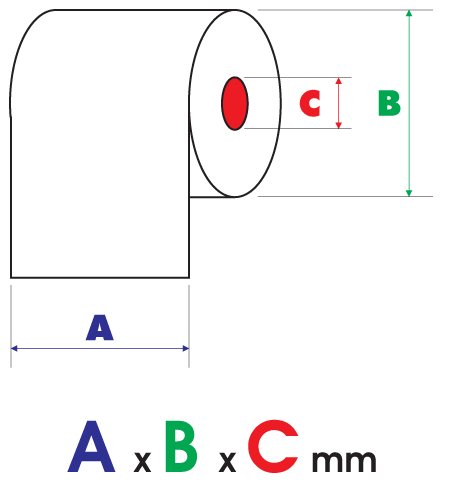
Hand rolls are short and light enough to hold and walk around a pallet, often with a handle or a dispenser. Machine rolls are longer, heavier and wound to feed a pallet wrapping machine. The film itself is made for the job, so a machine roll used by hand is awkward and wasteful.
Hand wrapping is fine while pallet numbers are low. One person, one roll, a few laps of the pallet. Once you are wrapping a queue of pallets every day, hand wrapping gets slow and the tension varies from pallet to pallet and from person to person. A machine applies the same tension every time and stretches the film further, so each roll goes further too.
| Hand rolls | Machine rolls | |
|---|---|---|
| Applied by | A person walking the pallet | A pallet wrapping machine |
| Roll size | Shorter and lighter to hold | Longer and heavier |
| Tension | Varies with the operator | Set on the machine, same every time |
| Best for | Low to moderate pallet volumes | Steady, higher pallet volumes |
Which pallet wrap should you order?
Match the roll to how you wrap and what you send. Hand rolls if a person wraps the pallet, machine rolls if a machine does. Clear film if labels must stay readable, black film if you would rather nobody sees the load. Heavier loads and sharp-cornered stacks need a stronger film than light, tidy ones.
- Hand or machine. Decide this first, it rules out half the range.
- Clear or black. Clear for visibility and label scanning, black for cover.
- Load weight and shape. Heavy or uneven stacks want a stronger film and more turns.
- How much you use. Buying by the case beats reordering single rolls.
Keep the rest of your dispatch kit standard too. A small set of box sizes, one or two mailer sizes, one tape and one pallet wrap covers most orders and keeps buying simple. Online sellers shipping soft goods should also read mailing bags for e-commerce.
Order pallet wrap by the case
Hand and machine rolls, clear and black, at trade prices with fast Irish delivery from our Cavan warehouse.
Frequently asked questions
What is the difference between pallet wrap and shrink wrap?
Pallet wrap is stretch film that tightens when you pull it around a load, with no heat involved. Shrink wrap sits loose until heat from a gun or tunnel shrinks it onto the goods. Pallet wrap holds a stack of boxes together on a pallet. Shrink wrap seals or bundles individual products.
Is stretch wrap the same as pallet wrap?
Yes. Stretch wrap, stretch film and pallet wrap all describe the same clingy plastic film wound around a loaded pallet. It works by tension rather than heat. Shrink wrap is a different product entirely, because it only tightens once you heat it.
What is pallet wrap used for?
Pallet wrap holds the boxes on a loaded pallet together so they cannot shift, lean or topple in transit. Wrapping down onto the pallet itself ties the load to the timber. It also keeps dust and light rain off the outer boxes while the pallet waits in a yard or sits on a lorry.
Should I buy hand rolls or machine rolls?
Buy hand rolls if a person wraps each pallet by hand, since they are shorter and light enough to hold and walk around the load. Buy machine rolls if you have a pallet wrapping machine, as they are longer and wound to feed it. Machine rolls used by hand are awkward and wasteful.
Do you need a machine to use pallet wrap?
No. Hand rolls are made to be applied without any equipment, often with a handle or simple dispenser. A wrapping machine only becomes worth it once you are wrapping enough pallets that hand wrapping slows dispatch down or the tension varies too much between operators.
Should I use clear or black pallet wrap?
Use clear film when labels on the outer boxes need to stay readable or scannable, and when you want to see the load. Use black film when you would rather the contents of the pallet were not visible in a yard or on a lorry. Both do the same holding job.