


Shelf-Edge Labels: Sizes, Holders and How to Print Them

Shelf-edge labels are the small printed price tickets that sit along the front edge of a shelf, held in a plastic rail or clip. They show the product name, the price and often a barcode, so shoppers can price an item without asking. You print them yourself and slide them into the holder.
What are shelf-edge labels used for?
Shelf-edge labels show the price of the product sitting directly behind them. They run along the front lip of the shelf in a holder, and they usually carry the product name, the price, and a barcode the staff can scan. Clear shelf pricing is expected in any shop, and shoppers skip items they cannot price.
They also do quiet work beyond the price. A shelf label tells your staff what belongs in that space, which keeps the shelf tidy and makes gaps obvious at a glance. Many shops add a unit price, a promotion flash, or a small stock code so re-ordering is faster. Get the labels right and the shelf almost runs itself.
Shelf-edge labelling is one part of a bigger picture. The shop display and signage guide covers the rest of it, from posters to pavement signs.
What sizes do shelf-edge labels come in?
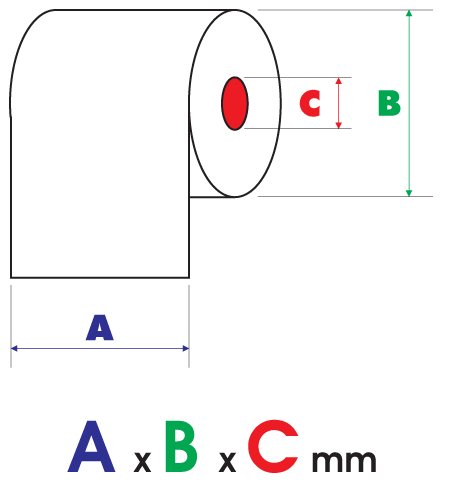
Shelf-edge labels are sized by the holder, not the other way round. The two numbers that matter are the depth of the ticket, which is the height of the strip on the shelf front, and its width, which sets how much text and how big a price you can fit. Measure your shelf lip first, then buy a holder that clips onto it.
Depth is the number that catches people out. A shallow strip suits a wire shelf or a narrow lip and holds a price and a short name. A deeper strip gives you room for a bigger price, a barcode and a promotional message. Width is easier, because most rails are sold in lengths you cut down or butt together along the run of the shelf.
- Shallow strips suit tight shelves and small products where you only need a name and a price.
- Deeper strips suit chilled units, promotions and anywhere the price has to read from a few steps back.
- Long rails run the full shelf so every ticket sits at the same height, which looks far tidier than loose clips.
If you already print tickets, take one to the shop floor and hold it against the shelf before you order a rail. Two minutes there saves buying the wrong depth by the box.
What are shelf-edge label holders and rails?
A shelf-edge label holder is the clear plastic channel that grips the front lip of a shelf and holds the printed ticket behind a window. Rails run the length of the shelf. Clips and pockets hold a single ticket. Both keep the label flat, clean and readable, and let you swap a price in a second without tape or glue.
The common types are worth knowing before you buy.
| Type | How it fits | Best for |
|---|---|---|
| Clip-on rail | Snaps over the front lip of a standard shop shelf | Long runs of gondola shelving |
| Self-adhesive strip | Sticks to the shelf face or a glass edge | Chillers, counters and shelves with no lip |
| Wire shelf holder | Clips onto the wire bar itself | Wire racking and display baskets |
| Single ticket pocket | Clips or sticks on its own | Odd shelves, end caps and single offers |
Buy the holder once and it lasts for years. The ticket inside is the cheap part you change.
How do you print shelf-edge labels?
Print shelf-edge labels from whatever holds your prices. Most tills and stock systems export a shelf-ticket layout you send to an ordinary office printer on card or perforated sheets. Print a full sheet, cut or tear the tickets apart, and slide them into the holders. Small shops print a simple template from a spreadsheet instead.
Whichever route you take, keep the price coming from one source. If the shelf ticket is typed by hand and the till price comes from the system, the two drift apart and a customer eventually finds the gap. Printing straight from the system stops that.
A few habits keep the shelf looking professional:
- Print on card or heavy paper so the ticket does not curl inside the holder.
- Make the price the biggest thing on the ticket. Name second, everything else small.
- Reprint the whole shelf when several prices change, rather than patching one ticket at a time.
- Pull promotional tickets the day the offer ends. An out-of-date price is worse than no price.
For loose stock and date coding, a hand price gun is often faster than a printed ticket. That is covered in the price guns and labelling guide.
Shelf-edge holders, tickets and POS pricing
Label holders, ticket strips and point-of-sale pricing kit for Irish shops, at trade prices with fast delivery.
How do you keep printed shelf tickets from going stale?
Walk the shelf on a fixed day each week with a printout of your current price file and check the tickets against it. Pull anything expired, replace anything faded or curled, and fill any gap where a ticket has fallen out. Ten minutes a week keeps a printed system honest.
Printed tickets fail quietly. One falls behind a shelf, one stays up after a promotion ends, one gets bleached by a window, and none of it shows on a report. The weekly walk is what catches all three, and it costs less than the first argument at the till over a price that no longer matches.
Give one person the job rather than leaving it to whoever notices. Keep the spare rail sections, blank ticket card and a scissors in one box near the office so nobody has to hunt for anything. If the walk keeps turning up more work than ten minutes, that is the signal your line count or price churn has outgrown paper, and electronic shelf-edge labels are worth costing out.

Where do shelf-edge labels fit with the rest of your signage?
Think of it in layers. The shelf label answers what does this cost. A poster or snap frame answers what is on offer. A pavement A-board answers why come in at all. Each layer talks to the shopper at a different distance, and a shop that gets all three right feels organised before anyone speaks to staff.
Shop4Rolls supplies shelf-edge holders, ticket strips and point-of-sale pricing kit to shops across Ireland. Browse point of sale and pricing or the wider signage and display range.
Frequently asked questions
What are shelf-edge labels?
Shelf-edge labels are the small printed price tickets that sit along the front edge of a shelf in a plastic rail or clip. They show the product name, the price and often a barcode, so a shopper can price an item without asking and staff know what belongs in that space.
What size shelf-edge label do I need?
The holder sets the size, so measure your shelf lip first and buy the rail that fits it. Shallow strips suit tight shelves and short product names. Deeper strips give room for a bigger price, a barcode and a promotion message. Then print or cut your tickets to match the holder.
What is a shelf-edge label holder?
A shelf-edge label holder is the clear plastic channel that grips the front lip of a shelf and holds the printed ticket behind a window. Rails run the length of the shelf, while clips and pockets hold a single ticket. Both keep the label flat and let you swap a price in seconds.
How do you print shelf-edge labels?
Print them from your till or stock system, which usually exports a shelf-ticket layout you send to an ordinary office printer on card or perforated sheets. Print the sheet, separate the tickets and slide them into the holders. Small shops can print a simple template from a spreadsheet instead.
How often should shelf-edge labels be replaced?
Reprint a ticket whenever the price changes, and check the whole shelf once a week against your current price file. Pull anything expired, faded or curled while you are there, and refill any gap where a ticket has dropped out. Tickets in a window or a chiller fade faster, so those runs need looking at more often.
Do shops have to display prices at the shelf?
Shops are expected to show a clear price for the goods they sell, and the shelf edge is the normal place to do it. Beyond the rules, it is simple good practice. Shoppers regularly skip an item with no visible price rather than carry it to the till to ask.