


Tape Dispensers and Tape Guns: Hand vs Bench

A tape dispenser holds a roll of packaging tape and cuts it with a built-in blade, so you can seal a box in one movement. Hand-held tape guns are light and go with you around the shop or store room. Bench dispensers sit on a table and suit packing a lot of parcels in one spot.
What does a tape dispenser actually do?
A tape dispenser does three jobs at once. It holds the roll, it keeps tension on the tape so it lays flat, and it cuts the tape cleanly with a serrated blade. Without one you are picking at the roll edge with a fingernail and tearing the tape by hand, which is slow and wastes tape.
The tension part matters more than people expect. A dispenser pulls the tape tight against the box as you move, so the adhesive presses into the card instead of sitting on top of it. Tape applied by hand often lifts at the corners a day later. Tape laid under tension stays down.
The blade matters too. A clean cut leaves a straight tail that is easy to pick up next time. A blunt blade drags the tape, leaves a ragged edge, and folds the tail back on itself so you lose the end of the roll.
Hand-held tape gun or bench dispenser, which do you need?
Pick a hand-held tape gun if you seal boxes in different places, pack varied box sizes, or send a modest number of parcels a day. Pick a bench dispenser if you pack at one fixed station, seal similar boxes over and over, or need repeated lengths of tape cut ready to grab.
Most shops and small online sellers only ever need hand guns. Keep two so one is always to hand and the other is loaded with a spare roll. Warehouses that run a packing bench usually keep both. The bench unit pre-cuts strips for the flaps, and a hand gun goes out to the shelves for odd jobs.
| Hand-held tape gun | Bench dispenser | |
|---|---|---|
| How it works | You hold it and run it along the box seam | Sits on a table, you pull and cut a length |
| Best for | Sealing boxes of any size, moving around | Repeat lengths at one packing station |
| Speed | Fast on single boxes | Faster on high volume, same size boxes |
| Learning curve | A few boxes to get the angle right | Almost none |
| Weight | Light, carried in one hand | Weighted base, stays put |
Before you choose a dispenser, get the tape right. Our packaging tape guide covers polypropylene, vinyl and paper tape, and which one holds on recycled card.
What tape width and core size do dispensers take?
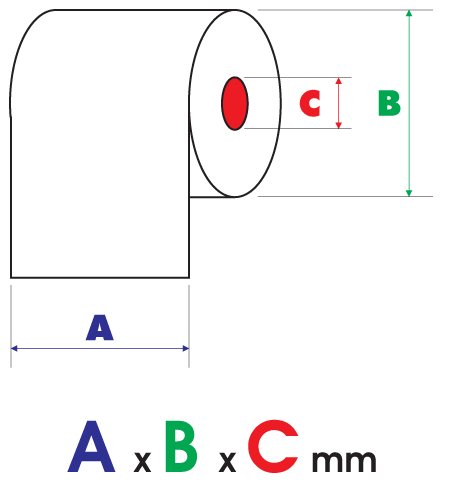
Most hand-held tape guns are built for 48mm wide tape on the large core used by box-sealing rolls. Narrower 25mm and 38mm tapes need their own smaller dispensers. Check the width and the core before you buy, because a roll that is too wide will not seat and a core that is too small will spin loose on the spindle.
The two numbers that matter on a tape roll are the width and the core diameter. Width is the visible face of the tape. Core is the cardboard tube in the middle. Box-sealing tape uses a large core, while office and stationery tape uses a much smaller one, which is why a stationery roll rattles about on a parcel gun.
- 48mm tape: box sealing, the default for parcels and cartons.
- 25mm and 38mm tape: light cartons, bag sealing, small dispensers or hand use.
- Large core: the standard on packing tape rolls, and what a parcel gun is sized for.
- Small core: common on office and stationery tape, not on box tape.
If in doubt, take a roll you already buy to the counter, or check the roll specification against the dispenser before you order a case of tape you cannot load.
How do you load and use a tape gun properly?
Drop the roll onto the spindle so the tape feeds off the top with the sticky side facing down. Thread it under the roller and over the blade, leaving a short tail. Then rest the front roller on the box, press down, and pull the gun along the seam in one steady movement before rolling forward to cut.
Two habits save most of the tape people waste. First, always leave the cut tail sitting on the roller, not stuck back on the roll. Second, fold a small tab at the very end of the tail so you can find it with cold hands. Both take a second and save a minute of picking at the roll.
If the tape keeps twisting, the roll is on backwards. If it drags and squeals, the brake screw on the side is too tight. Back it off a quarter turn at a time until the roll turns freely but does not overrun when you stop.
What separates a good dispenser from a cheap one?
Look at four things: the body, the brake, the blade and the roller. A metal frame survives being dropped off a bench, an adjustable brake lets you set the tension for your tape, a replaceable blade means the tool lasts, and a full-width roller presses the whole strip down instead of just the middle.
Cheap all-plastic guns fail in the same places every time. The spindle flexes so the roll wanders sideways, the brake is fixed so the tape either drags or overruns, and the blade is riveted in so you bin the whole tool when it dulls. On a busy bench that works out dearer than one decent gun.
Grip is worth a moment too. A pistol grip suits sealing boxes at waist height all day. A side-loading frame is easier to reload one-handed. If several people share the bench, pick one type and buy them all the same, so nobody is fighting an unfamiliar tool mid-order.
The dispenser is only half the job. What goes in the box decides whether the contents survive. Our bubble wrap buying guide covers cushioning and void fill, small vs large bubble wrap explains which grade protects best, and bubble wrap roll sizes works out how much you get through.
How do you keep a dispenser working and safe?
A tape gun is a cheap tool with an exposed blade, so treat it as one:
- Store it with the blade facing away from you, never loose in a drawer.
- Wipe adhesive off the blade and roller now and then, because build-up drags the tape.
- Replace the blade once it rounds off, or the whole gun if the blade is not replaceable, rather than sawing at the tape.
- Keep a spare loaded gun on the bench so nobody reloads in a rush.
- Use a safety-blade model if part-time or seasonal staff do the packing.
Cutting plastic tape altogether? Paper tape and a wetted or hand-tear system pairs well with paper cushioning. Compare the greener options in eco alternatives to bubble wrap.
Order tape dispensers and guns
Hand-held tape guns, bench dispensers and refill tape at trade prices, with fast Irish delivery from our Cavan warehouse.
Frequently asked questions
What is a tape dispenser used for?
A tape dispenser holds a roll of packaging tape, keeps tension on it so the tape lays flat against the box, and cuts it with a built-in blade. It lets you seal a carton in one movement instead of tearing tape by hand, which is slower and wastes the end of the roll.
What is the difference between a tape gun and a bench dispenser?
A tape gun is hand-held and you run it along the box seam, so it suits packing in different places and boxes of varied sizes. A bench dispenser sits on a table and cuts lengths you pull off by hand, which is faster when you pack many similar parcels at one fixed station.
What size tape fits a standard tape dispenser?
Most hand-held tape guns take 48mm wide packing tape on the large core that box-sealing rolls use. Narrower 25mm and 38mm tapes need their own smaller dispensers. Check the width and the core before you buy, because office tape on a small core will spin loose on a parcel gun spindle.
How do you load tape into a tape gun?
Put the roll on the spindle so the tape feeds off the top with the sticky side facing down. Thread it under the roller and over the blade, leaving a short tail hanging. If the tape twists as you use it, the roll is on the wrong way round, so take it off and turn it over.
Why does my tape dispenser keep sticking or dragging?
Usually the brake screw on the side is too tight, or adhesive has built up on the blade and roller. Loosen the brake a quarter turn at a time until the roll turns freely without overrunning, and wipe the blade and roller clean. A rounded, blunt blade also drags and needs replacing.
How long does a tape dispenser last?
A metal-framed gun lasts years on a normal packing bench, and the blade is the part that wears. Once it drags rather than cutting cleanly, replace the blade if the model allows it, or replace the gun. Cheap all-plastic guns tend to fail sooner at the spindle and the brake.