


Are Paper Food Bags Food-Safe? Greaseproof and Window Bags Explained
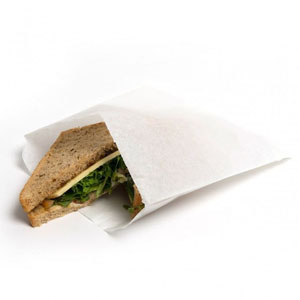
Paper food bags are food-safe when they are sold as food-grade, meaning they are made and certified for direct contact with food. Greaseproof bags resist oil for chips and hot food, window bags show off filled rolls and pastries, and plain paper bags suit dry items. Generic paper bags are not a safe substitute.
Are paper bags safe for direct food contact?
Paper bags are safe for direct food contact when they are made and certified as food-grade. Food-grade bags use clean base paper and food-safe inks and coatings, so nothing unwanted transfers into the food. A generic paper bag from a stationery supplier has no such control, so it does not belong on a food counter.
The word "paper" tells you almost nothing on its own. What matters is what the paper is made from, what was added to it and what it was made for. Food-grade stock is produced for the job, kept clean through manufacture and packed so it arrives fit to use. That is why you buy food bags from a foodservice supplier rather than picking up whatever bags are cheapest.
The same logic runs through the rest of your counter. Every item that touches food, from bags to containers to cups, needs to be sold for food use. The takeaway packaging guide covers the full kit and how the pieces fit together.
What makes a bag food-grade?
A food-grade bag is made to be safe against food. The paper is clean virgin or approved stock, any coating is chosen for food contact, and any print uses food-safe inks kept off the inside face. The supplier can confirm the bag is intended for food, which is the check you should make before ordering.
Three things separate a food bag from an ordinary one:
- The base paper. Clean stock made for food use, not recycled mixed paper of unknown origin.
- The coating. Greaseproof and grease-resistant treatments are chosen so they hold up against hot, oily food.
- The print. Food-safe inks, printed on the outside, so nothing sits against what the customer eats.
If you print your own bags, say so when you order. Your supplier needs to use food-safe inks and keep the print on the outer face.
What is a greaseproof bag, and when do you need one?
A greaseproof bag is treated so oil does not soak through the paper. It is the bag for chips, sausage rolls, fried food and anything hot and buttery. Without it, grease wicks into plain paper within minutes, the bag darkens, the base weakens and the customer ends up with oil on their hands.
You will notice the difference at the counter, not in the box. A plain paper bag holding chips goes transparent and floppy on the way to the car. A greaseproof bag holds its shape and keeps the outside dry. It also looks far better on a delivery order that sits in a carrier bag for twenty minutes.
Greaseproof bags are not the same thing as baking parchment, though people mix them up constantly. Parchment is a silicone-treated sheet for the oven. Greaseproof is for serving and wrapping. The full difference is in greaseproof paper vs baking parchment.
What are window bags for?
Window bags are paper bags with a clear panel so customers can see what is inside. They suit filled rolls, sandwiches, pastries, cookies and anything you sell on how it looks. The paper keeps the item protected and easy to carry, and the window does the selling from a chilled cabinet or counter display.
They earn their place in a bakery, a deli counter or a grab-and-go fridge. A wrapped item nobody can see is an item nobody picks up. The window also means staff can check an order without opening the bag, which speeds up a lunchtime queue.
For chilled counters, bags are only part of the story. Bowls, wedges and platter boxes cover the rest, and those are in deli and salad packaging.
Which paper bag suits which food?
| Bag type | What it does | Best for |
|---|---|---|
| Greaseproof | Resists oil soaking through | Chips, fried food, hot pastries |
| Window | Shows the food, protects it | Filled rolls, sandwiches, cakes |
| Plain paper | Simple, breathable, cheap | Bread, buns, dry snacks, sweets |
| Bags with a base (SOS) | Stands up, holds more | Bulkier orders, multiple items |
Most counters need two or three of these, not all of them. Pick by your busiest lines, then keep a smaller stock of the rest. Boxed alternatives for chips and wings are covered in snack boxes for cafes and chippers.
Order food-grade bags by the case
Greaseproof, window and plain paper bags made for food contact, at trade prices with fast Irish delivery.
Are paper sandwich bags better than plastic?
Paper is usually the better sandwich bag. It breathes, so bread and pastry keep their texture instead of sweating inside a sealed plastic bag. It also takes print well and reads as the greener option to customers. Plastic still wins where you need a proper seal or want the food fully visible from all sides.
The trade-off is simple. Trapped steam is the enemy of anything crisp or freshly baked. Paper lets that steam out. Plastic holds it in, which is fine for a cold wrap you want kept moist and wrong for a hot sausage roll.
Paper also handles the customer-facing side better. It prints cleanly, so your name travels with the order, and it goes in the household recycling when it is clean. A greasy bag does not recycle, so it goes in general waste along with any other food-soiled board.
How do you store food bags properly?
Food-grade only stays food-grade if you look after the bags. Keep them in their original packaging until you need them, off the floor, away from cleaning chemicals and out of damp. Paper picks up moisture and smells easily, and a bag stored beside a bleach bottle is no longer fit for food.
On the counter, keep the working stack covered or in a dispenser rather than loose beside the till. It takes seconds and it keeps your handling clean when an inspector asks how you store packaging.
Frequently asked questions
Are paper bags food safe?
Paper bags are food safe when they are sold as food-grade, meaning they are made and certified for direct contact with food. Food-grade bags use clean base paper, food-safe coatings and inks printed on the outside. A generic paper bag has no such control, so it should not be used to hold food.
What makes a paper bag food-grade?
Three things. The base paper is clean stock made for food use rather than mixed recycled paper. Any coating is chosen to sit safely against food. Any print uses food-safe inks kept on the outer face. Your supplier can confirm a bag is intended for food, which is the check to make before you order.
What is a greaseproof bag used for?
A greaseproof bag is treated so oil does not soak through the paper. It suits chips, fried food, sausage rolls and anything hot and buttery. A plain paper bag holding the same food goes transparent and floppy within minutes, weakening the base and leaving grease on the customer's hands.
Are paper sandwich bags better than plastic?
Usually yes. Paper breathes, so bread and pastry keep their texture instead of sweating inside a sealed bag. It prints well and recycles when clean. Plastic is the better choice when you need a proper seal or want the food fully visible, but it traps steam and softens anything crisp.
Can you recycle paper food bags?
Clean paper bags recycle with household paper. Once a bag is greasy or has food on it, it cannot be recycled and goes in general waste, the same rule that applies to greasy pizza boxes and other food-soiled board. Bags with a plastic window usually need the window removed first.
How should paper food bags be stored?
Keep them in their original packaging until you need them, off the floor, out of damp and well away from cleaning chemicals. Paper takes on moisture and smells easily. On the counter, keep the working stack covered or in a dispenser rather than loose, so the bags stay clean until they are used.