


Deli Packaging: Salad Bowls, Wedges and Platter Boxes
Deli packaging is the set of containers a deli counter uses to sell cold and chilled food to go. It covers salad bowls, sandwich wedges, platter and catering boxes, and portion pots for dressings. Most of it is clear or has a window, because customers buy cold food with their eyes first.
What is deli packaging?
Deli packaging is the range of containers used to sell cold and chilled counter food to go. It takes in salad bowls and pots, sandwich wedges, platter and catering boxes, and small portion pots for sauces and dressings. Most of it is clear or window-fronted so the filling shows, and most of it is sold by the case.
It sits apart from hot takeaway packaging. A hot main goes into foil or a leakproof plastic container and gets bagged fast. Deli food sits on display first. It has to look right under a chilled cabinet light, hold its shape on a shelf, and still travel home without collapsing. That is a different job, and it needs a different set of packs.
If you are building a full food-to-go range, the takeaway packaging guide covers the hot side and how the two fit together.
What types of deli and salad packaging are there?
Four types cover nearly every deli counter. Salad bowls and pots hold loose salads, pasta and hot deli portions. Sandwich wedges hold a cut sandwich upright. Platter and catering boxes handle bulk orders. Portion pots hold dressings, sauces and dips. Add trays with lids for office platters and you have the whole counter.
- Salad bowls and pots. Round, usually clear, with a snap or push-on lid. Good for leaves, pasta salads, coleslaw and hot deli portions.
- Sandwich wedges. Triangular packs that hold a sandwich cut corner to corner, standing up so the filling faces the customer.
- Platter boxes and catering trays. Larger, flatter packs for office orders, meetings and events, normally with a clear lid.
- Portion pots with lids. Small pots for dressing, mayo, dips and sauces, kept separate until the customer wants them.
- Deli papers and greaseproof sheets. Used to line, wrap and separate at the counter itself.
| Pack | Shape | Best for | Why it works |
|---|---|---|---|
| Salad bowl / pot | Round, lidded | Leaves, pasta, coleslaw, hot deli | Holds volume, stacks in a cabinet |
| Sandwich wedge | Triangular | Cut sandwiches and toasties | Stands upright, filling on show |
| Platter box / tray | Flat, wide | Office and catering orders | Lays food out, one lid over the lot |
| Portion pot | Small, lidded | Dressings, dips, sauces | Keeps wet away from dry |
Which salad bowl size do you need?
Pick salad bowl sizes by the portion you sell, not by the shelf you want to fill. Most counters run two: a smaller side or lunch pot, and a larger main-meal bowl. If you also sell hot deli portions by weight, a third deeper pot helps. Anything past three sizes usually just ties up cash in stock.
Fill the bowl you are considering with a real portion before you commit to a case. A bowl that looks generous on a website can look mean once the leaves settle, and an oversized bowl makes a fair portion look small. Customers judge value by how full the pack looks, so the pack has to flatter the food.
Check the lid too. A snap-on lid that seals properly stops leaves drying out in the cabinet and stops dressing escaping in a bag. A loose lid causes complaints and refunds, and it costs you far more than the few cents you saved.
What is a sandwich wedge, and when do you use it?
A sandwich wedge is a triangular pack that holds a sandwich cut corner to corner. The clear front shows the filling while the card back takes a label. Use wedges for anything sold from a chilled grab-and-go shelf, where the customer picks by sight in a few seconds and never asks a question.
Wedges work because they sell for you. Stacked on a shelf, they turn a row of sandwiches into a display. The flat back panel gives you space for your own label, which is where the ingredients, allergen information and date go. Get that label right, because it is a legal requirement for pre-packed food, not a design choice.
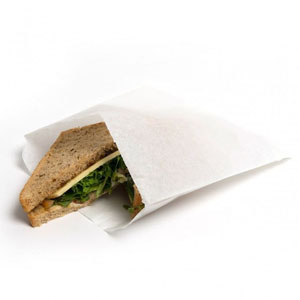
For made-to-order sandwiches handed straight across the counter, a paper bag or wrap is faster and cheaper than a wedge. Greaseproof and window bags cover that job, and are paper food bags food-safe explains which paper is made for food contact.
Do you need portion pots for dressings and sauces?
Yes, if you sell salads. Dressing poured over leaves at eleven in the morning gives a soggy salad by one. A small pot with a tight lid keeps the dressing separate, so the customer adds it when they eat. The same pot handles dips, mayo, coleslaw sides and sauces for hot food.
Portion pots also help you control cost. A measured pot is a fixed amount of dressing per sale, which is easier to price than a squeeze from a bottle. Keep two sizes, a small one for sauces and dips and a larger one for a full salad dressing, and buy the matching lids at the same time. Pots and lids are often sold separately, so count both.
Stock your deli counter, by the case
Salad bowls, sandwich wedges, platter boxes and portion pots with lids, at trade prices with fast Irish delivery from our Cavan warehouse.
How much deli packaging should you order?
Deli packaging is sold by the case, and the price per unit drops as the case size goes up. The sensible approach is to buy your two or three highest-use lines deep and everything else shallow. Your main salad bowl and your standard wedge move every day. A large platter box might move once a week, so a single case covers you for a long time.
Empty packaging stores well, so buying ahead of a busy stretch costs you nothing but shelf space. Work out roughly how many of each pack you go through in a week, then order enough to cover the gap between deliveries with a buffer on top. Running out of your main bowl on a Friday lunchtime is far more expensive than holding an extra case.
For catering and office orders, see sandwich platters and trays with lids. If you also sell hot food to go, best containers for hot food covers that side. Dressings and dips go in portion pots and lids.
Frequently asked questions
What is deli packaging?
Deli packaging is the range of containers a deli counter uses to sell cold and chilled food to go. It covers salad bowls and pots, sandwich wedges, platter and catering boxes, and small portion pots for dressings and sauces. Most of it is clear or window-fronted so customers can see the food before they buy.
What size salad bowl should I use?
Pick sizes by the portion you sell. Most counters run two, a smaller side or lunch pot and a larger main-meal bowl, plus a deeper pot if you sell hot deli portions by weight. Fill a sample with a real portion before ordering a case, because a bowl that looks generous online can look mean once the leaves settle.
What is a sandwich wedge?
A sandwich wedge is a triangular pack that holds a sandwich cut corner to corner so it stands upright. The clear front shows the filling and the card back takes your label with ingredients, allergens and the date. Wedges suit chilled grab-and-go shelves where customers choose by sight in a few seconds.
Do salad dressings need separate pots?
Yes. Dressing poured over leaves early in the day leaves you with a soggy salad by lunchtime. A small portion pot with a tight lid keeps the dressing apart until the customer eats, which protects the salad and gives you a measured amount per sale that is easier to cost.
Is deli packaging recyclable?
It depends on the material and how clean it is. Clean rigid plastic bowls and lids may be recyclable depending on the type and your collector. Food-soiled board and greasy paper usually go in general waste. Compostable fibre packs need the right facility, so empty each pack and check your local rules.
How much deli packaging should I order?
Buy your two or three busiest lines by the case and keep smaller buffers of the rest. Your main salad bowl and standard wedge move daily, while a large platter box may last weeks. Empty packaging stores well, so ordering ahead of a busy period costs only shelf space.