


Are Takeaway Containers Recyclable? Disposal by Material
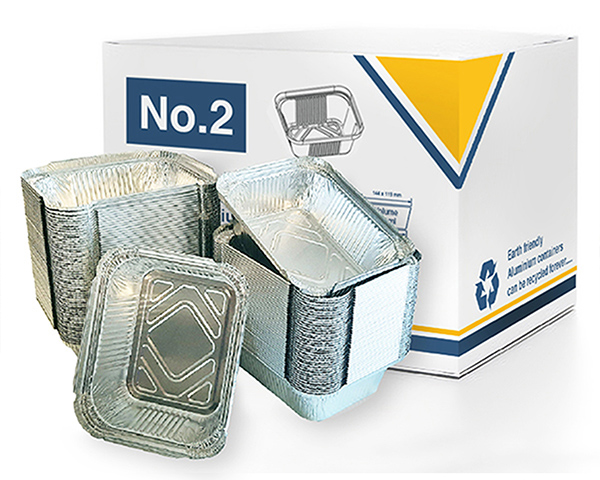
Takeaway containers can be recycled, but it depends on the material and how clean it is. Rinsed foil and rigid plastic containers usually go in the recycling bin. Greasy board and food-soiled packaging normally go in general waste. Compostable fibre containers need a facility that takes them, so check your local rules first.
Can takeaway containers be recycled?
Most takeaway containers can be recycled if they are made of one clean material. Foil and rigid plastic tubs go in the recycling bin once the food is out and the container is rinsed. Board that has soaked up grease normally cannot be recycled. Compostable fibre containers need composting, not recycling.
Two questions settle almost every case. What is it made of, and how dirty is it? A container made from a single material with no food left on it is easy for a recycling plant to handle. A container that mixes materials, or that is coated in sauce and oil, is not.
That is why the material you buy matters as much as the bin the customer uses. If you sell wet, saucy food in a board tray, you have created something that cannot be recycled no matter how careful your customer is. The takeaway packaging guide covers how to match packaging to the food in the first place.
Which takeaway container materials recycle?
Foil containers recycle well once rinsed, and aluminium can be recycled again and again. Rigid plastic tubs are widely accepted, though it depends on the plastic type and your collector. Plain board and card recycle when clean. Greasy board, food-soiled paper and compostable fibre are the ones that usually cannot go in the recycling bin.
| Material | Recycling bin? | What to do first |
|---|---|---|
| Foil (aluminium) | Yes, when clean | Empty, rinse, squash lightly |
| Rigid plastic (PP) | Usually, check your collector | Empty, rinse, keep the lid with it |
| Clean board or card | Yes | Flatten it |
| Greasy board | No, general waste | Tear off any clean part |
| Fibre or bagasse | No, composting | Check for a facility locally |
Foil is the strong performer here. Aluminium keeps its value through recycling, so a rinsed foil tray is genuinely worth collecting. The sizes and shapes are covered in the foil containers and trays sizes guide.
Can you recycle plastic takeaway containers?
Plastic takeaway containers are usually recyclable when they are rigid, empty and rinsed. Most are polypropylene, which is widely collected. Thin film, black plastic and lids made from a different plastic to the tub can cause problems. Check the symbol on the base and your local collector's list before you tell customers what to do.
The practical steps for a customer are short. Scrape the food out. Rinse the tub with a bit of warm water. Leave it to drain. Put the lid in with it if it is the same plastic. That is all a recycling plant needs.
- Rigid tubs are the easy case, and they sort cleanly.
- Black plastic can be missed by optical sorting machines at some plants.
- Film and thin lids are often too light and flimsy to be captured.
- Mixed material containers, like board with a plastic window, need separating first.
Stock takeaway containers by the case
Foil, plastic and fibre containers with matching lids, at trade prices with fast Irish delivery from our Cavan warehouse.
How clean does a container have to be?
Clean enough to be empty and free of loose food, not spotless. Foil and rigid plastic only need a rinse, because the residue washes off a smooth surface. Board is the strict one, as it absorbs what it holds and cannot be cleaned once soaked. That single difference explains most of the table above.
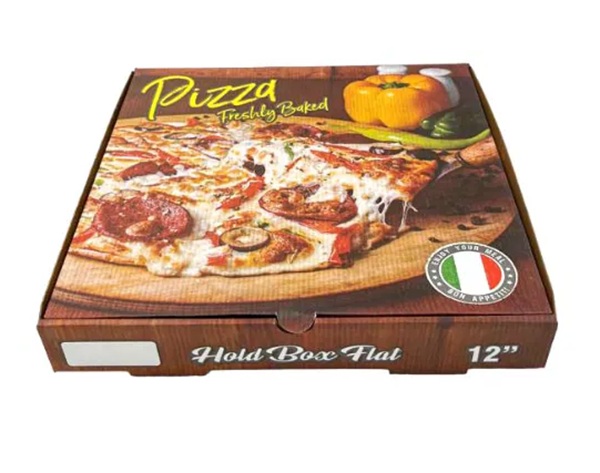
It is worth thinking of your materials in two groups. Foil and plastic are surfaces, so food sits on them and comes off with water. Board and paper are sponges, so food goes into the fibre and stays there. A rinsed plastic tub is as good as new to a sorting plant. A board tray that has held a curry is finished, no matter how carefully anyone cleans it. Grease is the usual culprit, and the mechanics of that are set out in can pizza boxes be recycled.
What about packaging made of more than one material?
Mixed-material packaging has to be pulled apart before any of it recycles. A board sleeve on a plastic tub, a paper bag with a plastic window, a foil tray with a board lid: each part goes to a different stream. If the parts cannot be separated by hand, the whole item usually ends up in general waste.
This is the part customers get wrong most often, and it is the part you control at the point of ordering. Single-material packaging is easier for them to dispose of and cheaper for you to explain. Where you do need two materials, choose a combination that comes apart in one movement rather than one that needs picking at.
Is compostable packaging recyclable?
Compostable packaging is not recyclable. Fibre and bagasse containers are made to break down in composting conditions, not to be pulped into new paper. Putting them in the recycling bin can contaminate it. They need a food waste or composting route that accepts them, and not every collector does.
This catches a lot of businesses out. Compostable sounds like the greenest option, and it can be, but only when the container reaches a facility that composts it. If your customers have nowhere to send it, a clean foil tray that actually gets recycled does more good. Weigh both before you switch your whole range. The eco options are set out in the compostable foodservice packaging guide.
How can a takeaway make disposal easier?
You control most of this at the point of ordering. A few habits help.
- Stick to one material per item where you can, so there is nothing to pull apart.
- Match the container to the food. Wet food in a leakproof tub keeps the outer bag and box clean.
- Say what the packaging is on the container or the menu, so customers are not guessing.
- Do not over-pack. Fewer pieces means less waste and lower cost.
Choosing the right tub for hot and saucy dishes solves the mess before it starts. That is covered in best containers for hot food.
Frequently asked questions
Can takeaway containers be recycled?
Many can, but it depends on the material and how clean it is. Rinsed foil containers and rigid plastic tubs usually go in the recycling bin. Board that has soaked up grease normally goes in general waste. Compostable fibre containers need a composting route rather than recycling, so check your local rules.
Can you recycle plastic takeaway containers?
Rigid plastic takeaway containers are usually recyclable once they are empty and rinsed. Most are polypropylene, which is widely collected. Black plastic and very thin film lids can be missed at some plants. Check the symbol on the base of the tub and your local collector's accepted list before recycling.
Do I need to wash takeaway containers before recycling them?
Yes. Scrape the food out and give the container a quick rinse. Food left inside can spoil the paper and card it travels with, so a dirty container may be rejected along with material around it. It does not need to be spotless, just empty and free of loose food and sauce.
Are foil takeaway containers recyclable?
Yes. Aluminium foil containers are one of the easiest takeaway materials to recycle, as long as you empty and rinse them. Aluminium can be recycled repeatedly without losing quality, so a clean foil tray is worth collecting. Squash it lightly so it does not blow around in the bin.
Is compostable takeaway packaging recyclable?
No. Compostable fibre and bagasse containers are made to break down in composting conditions, not to be pulped into new paper. Putting them in a recycling bin can contaminate the load. They need a food waste or composting collection that accepts them, and not every collector offers one.
Can you recycle packaging made of two materials?
Not as one piece. A board sleeve on a plastic tub, a paper bag with a plastic window and a foil tray with a board lid each need separating first, because every part goes to a different stream. If the pieces will not come apart by hand, the whole item normally goes in general waste.