


Best Containers for Hot Food: Oven, Microwave and Leakproof Options
Plastic takeaway containers are the microwave-safe choice, so use them when the customer will reheat the food at home. Foil containers are not microwave safe, because metal does not belong in a microwave, but they are oven-safe and hold heat well. Fibre and bagasse boxes suit hot food too. Match the material to how the dish gets reheated.
Are takeaway containers microwave safe?
Plastic takeaway containers are microwave safe. Polypropylene handles the heat of a reheat without warping, so it is the material to use when the food goes home to be warmed up. Foil containers are not microwave safe, as metal cannot go in a microwave. Always check the symbols printed on the base.
Most customers reheat a takeaway the easy way, in the microwave. If that is how your food gets eaten a second time, a plastic container saves them a job and saves you the phone call. Look for the small microwave symbol on the base or the case label. If it is not there, do not assume it is safe.
Foil is the opposite case. It is a fine container and a very good one for heat, but the metal reflects microwave energy and can spark. Customers know this, though a printed note on your menu or a sticker on the lid does no harm on busy nights.
Can takeaway containers go in the oven?
Foil containers go in the oven. Aluminium takes oven heat easily, which is why chippers and curry houses have used foil for years. Plastic containers must stay out of the oven, as they soften and melt. Fibre and bagasse boxes vary by grade, so check the spec before you tell a customer it is oven-safe.
Foil earns its place for anything baked, roasted or served hot in volume. Lasagne, curries, roast dinners and bakes all reheat well in the same container they left in. The container goes straight from your counter to the customer's oven with nothing to wash out and decant.
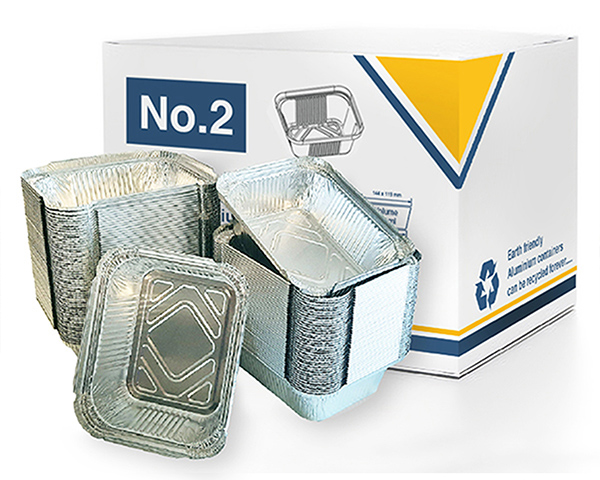
The foil range runs in numbered sizes, so you can match the container to the portion rather than filling a big tray badly. The full run-down is in foil container sizes, No.2 to No.9.
Which container is best for saucy food?
The best container for saucy food is a rigid plastic one with a tight, leakproof lid. Sauce finds every weak seal, and it does it in a hot bag on a back seat. Choose a container where the lid clips or presses firmly all the way round, then fill it to the line rather than to the brim.
Two things cause most leaks. The first is a lid that only half seats, usually because the container was overfilled and the rim is coated in sauce. The second is stacking, where the weight of a second container pops the one underneath. Train staff to fill below the rim and wipe the edge before the lid goes on.
- Wet dishes (curries, stews, saucy noodles): plastic with a firm leakproof lid.
- Baked and roasted dishes: foil with a board or foil lid.
- Chips and fried food: vented board or a snack box, so steam escapes and the food stays crisp.
- Cold or chilled items: clear plastic or fibre, where presentation counts.
Foil, plastic or fibre: which should you buy?
All three cover hot food, and most kitchens end up carrying two of them. Pick by how the food is cooked and how it is reheated, then let price sort the rest.
| Material | Microwave | Oven | Best for |
|---|---|---|---|
| Foil (aluminium) | No | Yes | Curries, bakes, hot mains |
| Plastic (PP) | Yes | No | Saucy dishes, meal prep, reheating at home |
| Fibre / bagasse | Check the grade | Check the grade | Hot food, greener brands |
Fibre and bagasse are the growing choice since the single-use plastics rules cleared polystyrene off the shelf. They handle hot food, they look better than plastic on a counter, and they suit any brand selling on its green credentials. Disposal is not automatic though, and the detail is in are takeaway containers recyclable.
Do hot-food containers need vented lids?
Vented lids suit food that should stay crisp. Steam trapped under a solid lid turns chips and battered fish soft within minutes. A small vent lets that steam out. Solid leakproof lids are the right call for anything wet, where keeping sauce in matters more than keeping the food crisp.
It is a trade-off, not a rule. Ask what ruins the dish faster, going soggy or going everywhere. Chips, wings and anything fried want venting. Curry, chilli and soup want a seal. If you sell both, carry both lid types rather than compromising on one.
Order takeaway containers by the case
Foil, plastic and fibre containers with matching lids, at trade prices with fast Irish delivery from our Cavan warehouse.
How many sizes should you stock?
Fewer than you think. Two or three container sizes cover most menus, one for a standard main, one larger for sharing or family portions, and a small one for sides and sauces. Every extra size adds shelf space, ties up cash and slows staff down at the counter.
Buy your top lines by the case, since the unit cost drops sharply at volume and packaging stores well. Keep smaller buffers of the rest. For the wider range that sits around your containers, boxes, bags and cups, start with the takeaway packaging guide. If you sell chips and small meals, snack boxes for cafes and chippers is the next one to read.
Frequently asked questions
Are takeaway containers microwave safe?
Plastic takeaway containers are microwave safe, so use them when the customer will reheat the food at home. Foil containers are not, because metal cannot go in a microwave. Fibre and bagasse containers vary by grade. Check the microwave symbol on the base or the case label before you promise a customer it is safe.
Can takeaway containers go in the oven?
Foil containers go in the oven and reheat well, which is why they suit curries, bakes and roast dishes. Plastic containers must stay out of the oven, as they soften and melt. Fibre and bagasse boxes depend on the grade, so check the product spec rather than assuming.
What is the best container for hot food?
The best hot-food container is leakproof, holds heat and suits the dish. Foil is sturdy and oven-safe, plastic is leakproof and microwaveable, and fibre or bagasse is the eco choice for hot food. For saucy dishes a tight leakproof lid matters most, while vented lids suit food you want to stay crisp.
How do I stop takeaway containers leaking?
Use a rigid container with a lid that seals all the way round, fill below the rim rather than to the brim, and wipe the rim clean before the lid goes on. Most leaks come from an overfilled container where the lid never seated properly, or from stacking weight popping the lid underneath.
Should I use vented or solid lids?
Use vented lids for food that should stay crisp, such as chips, wings and fried items, because trapped steam turns them soft. Use solid leakproof lids for anything wet, such as curry, chilli and soup, where keeping the sauce in matters more. If you sell both kinds of dish, carry both lid types.
Are fibre and bagasse containers good for hot food?
Yes, fibre and bagasse containers handle hot food well and have taken over from polystyrene since the single-use plastics rules. They look better on a counter than plain plastic and suit brands selling on green credentials. Oven and microwave use depends on the grade, so check the spec first.