



Sandwich Trays with Lids: Platters and Catering Sizes Guide
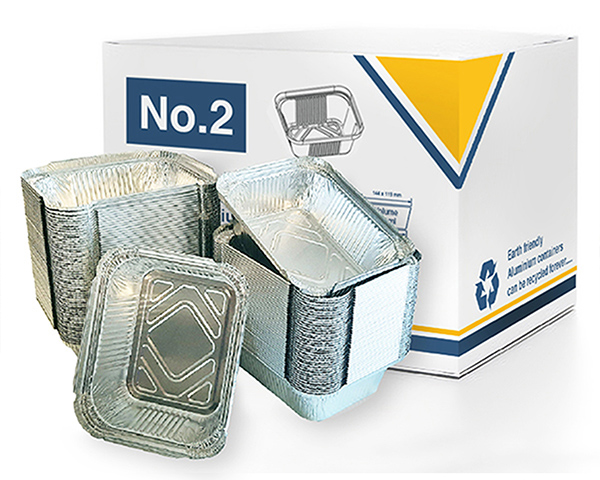
Sandwich trays with lids are flat catering platters that hold cut sandwiches, wraps and rolls, with a clear lid that keeps them fresh and lets the customer see the food. They come round or rectangular in a few sizes, from a small office order up to a full buffet tray, and stack for transport.
What is a sandwich tray with a lid?
A sandwich tray with a lid is a two-part catering pack. The base is a flat, rigid platter that holds cut sandwiches, wraps and rolls in rows. The lid clips or sits over the top, usually clear, so the food stays fresh on the journey and the customer can see what they are getting before they lift it off.
It is the same idea as any other takeaway container, sized for a group rather than one person. Deli counters, cafes, shops and caterers use them for office lunches, meetings, funerals, parties and event catering. The base is sturdy enough to carry by hand and flat enough to sit straight on a table when the lid comes off, so the tray becomes the serving dish.
Most platters stack when they are lidded, which matters if you are sending five or six out on one run. Check that the lid locks or grips properly rather than resting loose, because a platter that shifts in the boot of a car arrives as a pile of fillings.
What sizes do sandwich platters come in?
Sandwich platters come in a small range of sizes, from a compact tray for a handful of people up to a large buffet platter for a room. Shapes are round or rectangular. Pick by the number of people you are feeding and how much else is on the table, then match a lid made for that base.
Size names vary by supplier, so buy on the actual dimensions rather than the word small, medium or large. Two questions decide it for you:
- How many people? A meeting for a few needs one small tray. An all-day event usually works better as several medium trays than one giant one, because you can hold the rest back in the fridge.
- What else is being served? If there are cakes, salads and fruit alongside, the sandwich count per head drops and a smaller tray does the job.
Shape matters more than people expect. Rectangular trays line up neatly on a narrow boardroom table and travel well in a stack. Round platters look better on a buffet table and let guests reach in from any side.
Clear lid or domed lid, which do you need?
Choose the lid by the height of the food. A flat clear lid suits cut rounds, triangles and thin wraps that sit low on the tray. A domed lid gives head room for filled baguettes, thick rolls and stacked wraps, so nothing gets squashed. Both are usually clear, which keeps the food on show.
The mistake to avoid is buying a base and a lid separately and hoping they meet. Lids are made for a matching base, so order them as a pair or as a supplied set. If you press a flat lid down onto food that is too tall, you crush the top layer and the seal pops open in transit.
| Pack | Holds | Best for | Lid |
|---|---|---|---|
| Sandwich platter or tray | Cut rounds, triangles, wraps | Office lunches, buffets, events | Flat clear or domed |
| Sandwich wedge | One round cut in two | Grab-and-go chillers, single sales | Built in, with a window |
| Wrap pack | One wrap or baguette | Deli counters, meal deals | Built in, with a window |
| Platter box | Mixed cold buffet items | Delivered catering, longer trips | Board lid, no window |
More on the wider cold-food range is in deli and salad packaging, and the takeaway picture as a whole is covered in the takeaway packaging guide.
How many sandwiches fit on a tray?
Work it out from the cut, not the tray. A standard round cut into quarters gives four pieces, cut into halves it gives two, and a wrap cut on the angle gives two. Count the pieces you plan to serve each guest, add a few spare, then choose the tray size that holds that many in one layer.
Keep everything in a single layer. Stacking sandwiches on a platter is how fillings end up on the lid. If one layer does not hold the order, use a second tray rather than piling higher. That also means you can keep the second one chilled and bring it out fresh.
Leave a little space between the rows. Sandwiches packed tight look cramped, stick together and are hard to lift out without pulling two at once.
How do you keep platter sandwiches fresh?
Cold food packed for catering has to survive making, chilling, carrying and standing on a table. A few habits do most of the work:
- Chill the platter before it leaves. Assemble, lid it, then refrigerate until the last moment.
- Keep wet fillings apart. Tomato and dressing soak bread fast. Place those rounds together at one end.
- Line the base if you like. A sheet of greaseproof under the food keeps the tray clean and makes serving tidier.
- Label allergens. Catering platters mix fillings, so the customer needs to know what is in each row.
- Keep the lid on until serving. It is the only thing stopping the bread drying out.
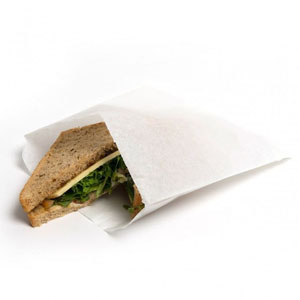
If you sell single sandwiches alongside platters, the paper side of it is covered in are paper food bags food-safe.
Sandwich trays, wedges and wraps by the case
Catering platters, sandwich wedges and wrap packs for delis, cafes and caterers, at trade prices with fast Irish delivery.
Browse the wider range on deli packaging.
Frequently asked questions
What are sandwich trays with lids?
Sandwich trays with lids are flat catering platters that hold cut sandwiches, wraps and rolls, with a lid that fits over the top. The lid is usually clear, so the food stays fresh on the way to the customer and they can see what is on the tray before they take it off.
What sizes do sandwich platters come in?
Sandwich platters come in a short range of sizes, round or rectangular, from a small tray for a handful of people up to a large buffet platter. Size names vary between suppliers, so buy on the actual dimensions and choose by how many people you are feeding and what else is on the table.
Should I use a flat lid or a domed lid?
Choose by the height of the food. A flat clear lid suits cut rounds, triangles and thin wraps that sit low. A domed lid gives head room for filled baguettes, thick rolls and stacked wraps so nothing is squashed. Always pair a lid with the base it was made for.
How many sandwiches fit on a catering platter?
Count pieces rather than rounds. A round cut into quarters gives four pieces and a wrap cut on the angle gives two. Work out the pieces per guest, add a few spare, then pick a tray that holds them all in one layer. Use a second tray rather than stacking.
How do you keep sandwiches fresh on a platter?
Assemble the platter, put the lid on and refrigerate it until it leaves. Keep wet fillings such as tomato and dressing grouped together so they do not soak every round. Leave the lid on until serving time, and label the fillings so guests with allergies know what each row contains.
What is the difference between a sandwich platter and a sandwich wedge?
A platter is a large tray with a separate lid, made for group catering and buffets. A wedge is a small single pack holding one round cut in two, made for grab-and-go chillers and counter sales. Use platters for orders and wedges for individual sales.