


Can Blue Roll Be Recycled or Composted?

Blue roll can be recycled while it is clean and unused, because it is paper. Once it has soaked up food, grease, chemicals or bodily fluids it has to go in general waste, as the residue spoils the rest of the recycling. In a busy kitchen that means most used blue roll gets binned.
Is blue roll recyclable?
Blue roll is recyclable in its clean state. It is made from paper fibre, and the blue dye does not stop a paper mill accepting it. The problem is what the roll is used for. Wiping paper picks up grease, food and cleaning chemicals, and paper carrying that residue is rejected at the sorting stage.
So the answer depends on the sheet, not the product. A part-used roll still sitting in the dispenser is clean paper. The sheet you just wiped a chopping board with is not. Keep that distinction in mind and the bin choice becomes obvious for staff.
The wider context sits in the cleaning supplies guide, which covers where blue roll fits alongside cloths, chemicals and the rest of the cupboard.
Why can used blue roll not be recycled?
Recycling breaks paper down in water to recover the fibre. Grease and oil do not mix with water, so they stay in the pulp and weaken the new paper. Food scraps rot and cause odour problems. Cleaning chemicals contaminate the batch. One greasy handful can drag a whole bag of good paper into general waste.
It is the same reason a greasy pizza box is not accepted while a clean cardboard sleeve is. The material is fine. The contamination is the issue.
Blue roll also breaks down into short fibres by design. It is made to absorb and tear easily, so there is far less usable fibre in it than in office paper or cardboard. Even clean, it is a low-value input, which is part of why some collectors would rather you left it out entirely.
Which bin does used blue roll go in?
Used blue roll goes in the general waste bin in almost every case. If it is wet with food only, and your waste collector accepts soiled paper in the food or organic bin, that is the better option. Never put greasy or chemical-soaked blue roll in dry recycling. Check your own collector's rules first.
| State of the blue roll | Bin | Why |
|---|---|---|
| Clean and unused | Dry recycling | It is plain paper fibre with no contamination. |
| Damp with water only | Dry recycling, if dried out | Wet paper can clog sorting. Let it dry first. |
| Food residue only | Food or organic waste, if your collector allows it | Some collectors take soiled paper with food waste. |
| Grease, oil or fat | General waste | Oil does not separate in the pulping process. |
| Cleaning chemicals or sanitiser | General waste | Chemical residue contaminates the batch. |
| Blood, raw meat juices or bodily fluids | General waste | A hygiene risk in both recycling and compost. |
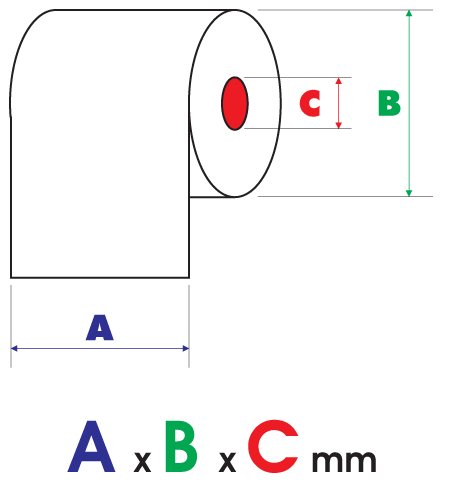
The cardboard core in the middle of the roll is a separate item. That is clean board, so pull it out and put it in the recycling.
Can you compost blue roll?
Blue roll is not sold as a certified compostable product, so treat it as general waste unless your collector says otherwise. Sheets soiled with food only may be accepted in a commercial food waste bin. Sheets carrying grease, sanitiser or cleaning chemicals should never go into compost or a food bin.
Home composting is a different question again, and blue roll is a poor candidate. The dye and any wet strength additives are not what you want in a compost heap you are going to put on food beds. If you want a paper you can compost, look for a product that says so on the packaging rather than assuming.
For a business, the practical route is to ask your waste contractor a direct question: do you accept food-soiled paper in the organic stream? Their answer sets your policy, and it varies by collector and by county.
How do you cut down blue roll waste?
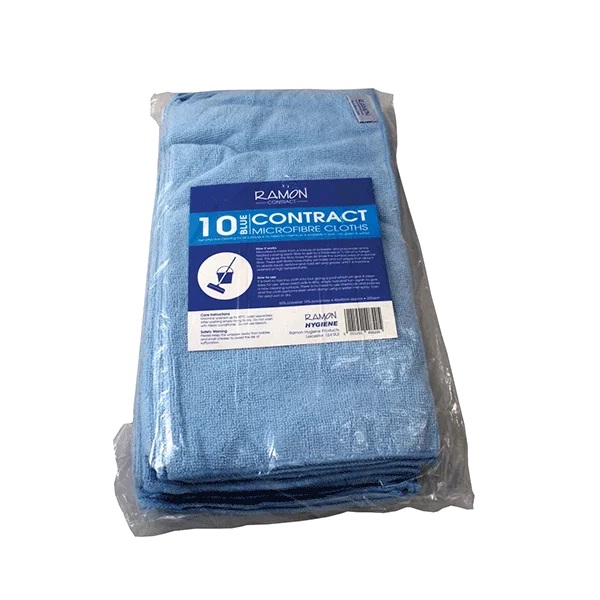
Use less of it. Switch general surface wiping to washable microfibre cloths and keep blue roll for jobs where single use matters, like raw meat areas and spills. Fit a proper centre-feed dispenser so staff take one sheet instead of a handful, and buy rolls with recycled content.
- Match the tool to the job. Microfibre for daily surfaces and glass, blue roll for grease, raw meat and anything you want gone straight away.
- Dispense properly. A centre-feed dispenser gives one sheet at a time. An unboxed roll on the counter gets grabbed by the fistful.
- Buy recycled content. The roll itself can be made from recovered fibre even if it cannot be recycled again after use.
- Colour-code your cloths. A clear system means staff reach for the right cloth instead of defaulting to paper. See colour-coded cleaning.
- Separate at source. Two bins in the kitchen, clearly labelled, beat one bin and good intentions.
If you are weighing paper against cloth for a given job, the comparison is set out in microfibre vs disposable cloths. If you are still deciding which paper to stock, read centre-feed vs blue roll vs kitchen roll.
Order blue roll and centre-feed by the case
Blue roll, white centre-feed, cloths and the rest of the cleaning cupboard at trade prices, with fast Irish delivery.
Frequently asked questions
Can blue roll be recycled?
Clean, unused blue roll is paper and can be recycled. Once it is soiled with food, grease or chemicals it has to go in general waste, like other contaminated paper, because the residue spoils the recycling batch. In practice most used blue roll is binned, so only the untouched stock goes in the dry recycling.
Why is used blue roll not recyclable?
Recycling pulps paper in water to recover the fibre. Grease and oil do not mix with water, so they stay in the pulp and weaken the new paper. Food rots and causes odour, and cleaning chemicals contaminate the batch. One greasy handful can send a whole bag of otherwise good paper to general waste.
Which bin does used blue roll go in?
Used blue roll goes in the general waste bin in almost every case. If it is soiled with food only, and your waste collector accepts soiled paper in the food or organic bin, put it there instead. Never put greasy or chemical-soaked blue roll in the dry recycling bin.
Can you compost blue roll?
Blue roll is not sold as a certified compostable product, so treat it as general waste unless your waste collector says otherwise. Sheets soiled with food alone may be accepted in a commercial food waste bin. Sheets carrying grease, sanitiser or cleaning chemicals should never go into compost or a food bin.
Is the cardboard core of a blue roll recyclable?
Yes. The cardboard core in the middle of a centre-feed or blue roll is clean board with no contamination on it, so pull it out when the roll runs out and put it in the dry recycling bin. It is one of the easiest bits of kitchen waste to divert from general waste.
How can a kitchen use less blue roll?
Switch everyday surface wiping to washable microfibre cloths and keep blue roll for grease, raw meat areas and spills where single use matters. Fit a centre-feed dispenser so staff take one sheet rather than a handful, colour-code your cloths so the right one is easy to grab, and buy rolls with recycled content.