


Toilet Cleaner, Descalers and Blocks: Harpic and Trade Options for Washrooms
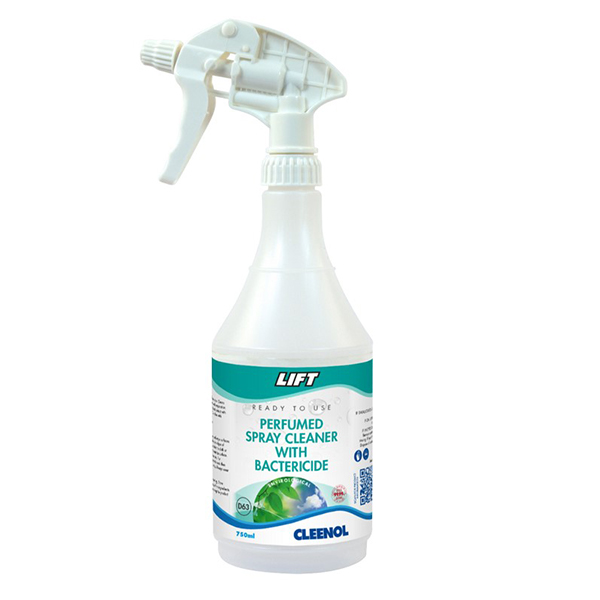
Toilet and washroom cleaners split into three jobs: a daily toilet cleaner for the bowl, a descaler for limescale and hard-water staining, and blocks or fresheners for smell. Add a washroom surface cleaner for sinks, tiles and hand-contact points. Keep all of them separate from your food-area chemicals.
What is the best toilet cleaner for a business washroom?
The best toilet cleaner for a business is a thick, clinging bowl cleaner that stays on the porcelain long enough to work. Household brands such as Harpic do the job in a small office. Busier washrooms are better served by trade-size or concentrated cleaners, which cost less per clean and get refilled far less often.
Most toilet cleaners are acidic. That is deliberate. The acid attacks limescale and the mineral staining that builds up under the rim and along the waterline, which a general surface spray will not shift. The thickness matters as much as the chemistry. A watery cleaner runs straight into the water and does nothing.
Use it the way it is meant to be used. Squeeze it under the rim, let it run down the sides, leave it for the time the label states, then brush and flush. Skipping the dwell time is the single most common reason a bowl still looks stained after cleaning.
Pick your format on volume:
- Retail bottles suit a single office toilet or a small shop.
- Trade 5-litre containers suit pubs, restaurants, forecourts and anywhere with several cubicles.
- Concentrates suit a cleaning contractor or a site with a dosing setup, and cost the least per use.
What does a toilet descaler do, and do you need one?
A toilet descaler is a stronger acidic product made to strip hard, built-up limescale that a daily cleaner cannot remove. You need one if you are in a hard-water area or the bowl has a chalky ring at the waterline. It is an occasional deep-clean product, not something you use every day.
Limescale is the problem behind most ugly washrooms. It builds a rough surface on the porcelain, and once it is rough it traps dirt and staining fast. A descaler dissolves that layer and gives you back a smooth bowl the daily cleaner can keep on top of.
Descalers are strong, so treat them with respect. Wear gloves, keep the washroom ventilated, and never combine a descaler with bleach or any other product. Acid plus bleach releases toxic gas. That warning is not optional, and it is set out in the commercial cleaning chemicals guide.
Do toilet blocks and rim blocks actually work?
Toilet blocks work for what they are designed to do, which is release fragrance and a small amount of detergent on each flush to control odour and slow staining. They do not replace cleaning. A block keeps a washroom smelling fresh between visits, but the bowl still needs a cleaner and a brush.
There are two common types. Rim blocks hang in a cage on the bowl and get flushed over. In-cistern blocks sit in the tank and release into the flush water. Rim blocks are easier to check and replace, which matters when staff are cleaning several cubicles quickly.
Urinals are a separate case. Urinal blocks and screens control odour and help keep drains clear, and in high-traffic washrooms they save a lot of complaints. Replace them on a schedule rather than waiting until someone notices a smell.
What else does a washroom need besides toilet cleaner?
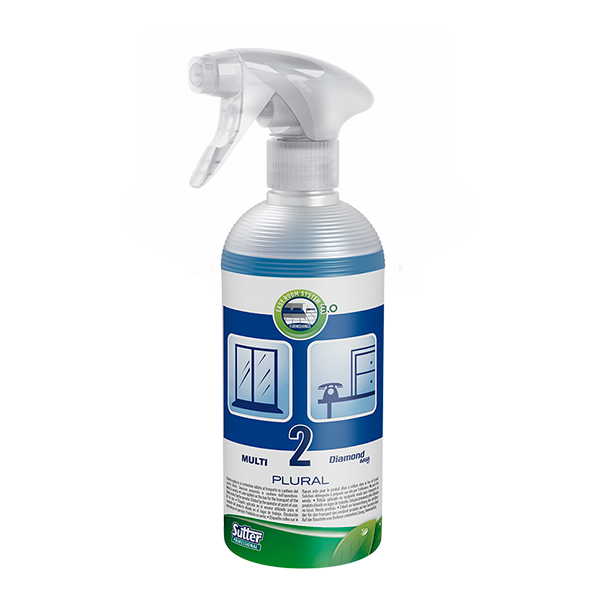
A washroom needs a surface cleaner for sinks, taps, tiles and doors, a disinfectant for hand-contact points, and a glass cleaner for mirrors. Add a drain treatment or unblocker for the sinks and urinals. The toilet cleaner only handles the bowl, so everything a hand touches needs its own product.
People judge a business on the washroom. The bowl is rarely what they notice first. It is the smeared mirror, the limescale on the taps and the sticky door handle. Those are surface-cleaner and disinfectant jobs, not toilet-cleaner jobs.
| Product | What it does | Where you use it | How often |
|---|---|---|---|
| Toilet cleaner | Cleans and deodorises the bowl | Inside the pan, under the rim | Daily |
| Descaler | Strips built-up limescale | Bowl, urinals, taps | Periodic deep clean |
| Toilet / urinal block | Controls odour between cleans | Rim, cistern or urinal | Replace on a schedule |
| Washroom surface cleaner | Cleans sinks, tiles and doors | All hard surfaces | Daily |
| Disinfectant | Kills germs on touch points | Handles, flushes, taps | Daily or more |
| Drain treatment | Clears grease and blockages | Sink and urinal traps | As needed |
For the disinfectant side, see disinfectants and sanitisers. If your drains are the recurring problem, the products for that sit with the kitchen degreasers and drain unblockers.
Stock your washroom cleaners
Toilet cleaners, descalers, blocks and washroom sprays in retail and trade sizes, at wholesale prices with fast Irish delivery.
How do you clean a commercial washroom safely?
Clean a commercial washroom with dedicated cloths, mops and sprays that never leave the washroom, using the red colour code. Work from the cleanest surface down to the toilet last. Wear gloves, ventilate the room, use one product at a time, and never mix a descaler or toilet cleaner with bleach.
The order matters. Mirrors and sinks first, then doors and handles, then the outside of the pan, then the bowl. Cleaning the toilet first and then wiping a tap with the same cloth just moves the problem around.
The rules that keep staff safe and the food areas clean:
- Colour-code washroom cloths, mops and bottles, and store them apart from kitchen kit.
- Keep every product in its original labelled container.
- Follow the dilution and dwell time on the label rather than guessing.
- Wear gloves with descalers and strong toilet cleaners.
- Never mix products to make them stronger. Buy one made for the job instead.
Buying the daily consumables in bulk is where the money is saved, the same logic as buying washing-up liquid in bulk. Washroom cleaners get used every single day, so the trade size pays for itself quickly.
Frequently asked questions
What is the best toilet cleaner for a commercial washroom?
The best commercial toilet cleaner is a thick acidic bowl cleaner that clings to the porcelain long enough to work on staining and limescale. Household brands such as Harpic suit a small office toilet. For several cubicles, trade-size containers or concentrates cost less per clean and need refilling far less often.
What is the difference between a toilet cleaner and a toilet descaler?
A toilet cleaner is a daily product that cleans and deodorises the bowl. A descaler is stronger and made to strip hard limescale that has built up over time, usually in hard-water areas. You use a cleaner every day and a descaler occasionally, as a deep clean when scale has formed.
Do toilet blocks actually clean the toilet?
No. Toilet blocks release fragrance and a small amount of detergent on each flush, which controls odour and slows staining between cleans. They do not scrub the bowl or remove limescale. You still need a toilet cleaner and a brush on a regular schedule, with the block as a top-up.
Can you mix toilet cleaner with bleach?
No, never. Most toilet cleaners and descalers are acidic, and mixing an acid with bleach releases toxic chlorine gas. Use one product at a time, flush between products, and keep everything in its original labelled container. If you need a stronger result, buy a product made for that job instead.
How do you remove limescale from a toilet?
Use a dedicated toilet descaler rather than a daily cleaner. Apply it around the bowl and under the rim, leave it for the time the label states so the acid can work on the scale, then brush and flush. Wear gloves, ventilate the room, and repeat on heavy build-up.
What cleaning products does a business washroom need?
A business washroom needs a daily toilet cleaner, a descaler for limescale, blocks or fresheners for odour, a surface cleaner for sinks, tiles and doors, a disinfectant for hand-contact points, and a drain treatment. Keep all of them colour-coded and stored separately from food-area chemicals.