


Kitchen Degreasers and Hard-Surface Cleaners for Catering
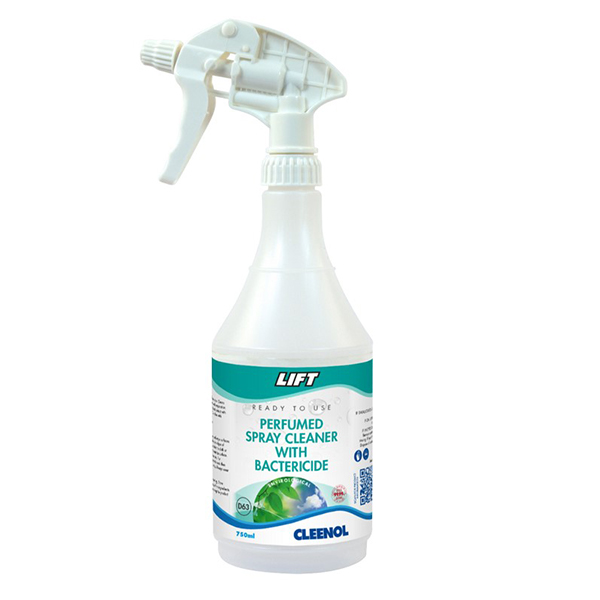
Hard-surface cleaners are general cleaners for counters, tables, shelves and walls, used daily and wiped off. A kitchen degreaser is the stronger product built to break down fat and cooking oil on ovens, ranges, fryers and extraction. Most catering kitchens carry both, plus a drain unblocker for the sink.
What does a kitchen degreaser do?
A kitchen degreaser breaks down fat, cooking oil and carbon deposits so they lift off instead of smearing. It is alkaline, which is what lets it cut through grease that an everyday spray cleaner only spreads around. You use it on ovens, ranges, fryers, grills, extraction canopies and greasy floors.
Grease is the problem a normal cleaner cannot solve. Wipe a hot oven door with a general spray and you get a thin greasy film across the glass. A degreaser works chemically on the fat itself, turning it into something water can carry away. That is why it needs a few minutes to sit before you wipe, and why the rinse matters.
Degreasers also do a safety job. Grease build-up in an extraction canopy is a fire risk, and grease on a kitchen floor is the fastest way to put a member of staff on their back. Regular degreasing is part of running the kitchen, not just part of the look of it.
When do you need a degreaser instead of a hard-surface cleaner?
Use a hard-surface or multipurpose cleaner for daily work: prep counters, tables, shelves, doors, walls and general surfaces. Step up to a degreaser when there is visible fat, cooking oil or baked-on residue, so ovens, hobs, fryers, grill plates, extraction filters and the floor around the fryer.
The simple test is whether the surface feels greasy after you have cleaned it. If your cloth is sliding rather than gripping, the cleaner is not strong enough for that job. Using a degreaser on everything is not the answer either. It costs more, it is harsher on staff hands, and it needs rinsing, so it slows the daily round down.
| Job | Product | Notes |
|---|---|---|
| Prep counters, tables, shelves | Multipurpose or hard-surface cleaner | Daily wipe-down, food-safe in food areas |
| Oven, range, grill, fryer | Heavy-duty degreaser | Leave to dwell, then rinse well |
| Extraction canopy and filters | Heavy-duty degreaser | Fire risk if grease is left to build up |
| Kitchen floors | Degreasing floor cleaner | Cuts the slip risk around fryers |
| Food-contact surfaces after cleaning | Sanitiser or disinfectant | Mind the contact time on the label |
| Slow or blocked sink | Drain unblocker | Caustic, use gloves and eye protection |
Cleaning and sanitising are two separate steps. A degreaser removes the soil, then a sanitiser deals with the germs on a clean surface. The products are covered in disinfectants and sanitisers, and the full chemical kit is set out in the commercial cleaning chemicals guide.
Are kitchen degreasers safe on food-contact surfaces?
Only if the product says so. Many heavy-duty degreasers are made for ovens and extraction, not for surfaces that touch food. On prep benches and food-contact surfaces, choose a food-safe cleaner, follow the dilution on the label, and rinse with clean water before sanitising.
Treat degreasers as the strong end of your chemical store. The practical rules:
- Wear gloves. Alkaline degreasers are hard on skin.
- Keep the product in its original labelled container, and label any dilution bottle.
- Never mix a degreaser with bleach or any acidic cleaner.
- Give it the dwell time on the label, then rinse, then sanitise.
- Keep the safety data sheet on file and store chemicals away from food.
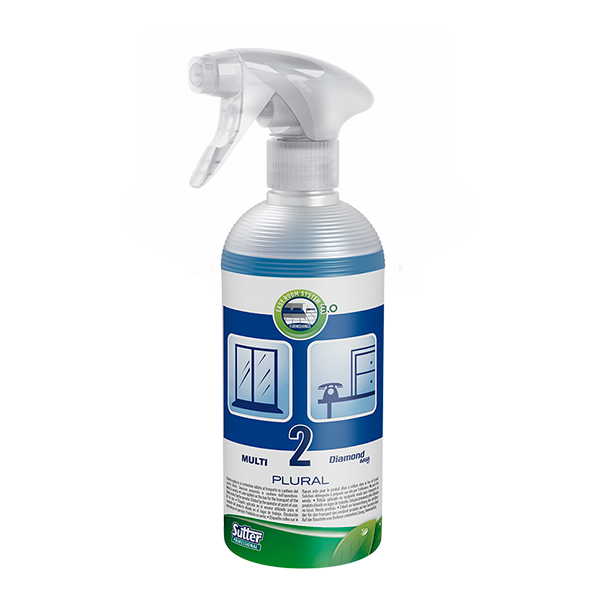
What clears a blocked kitchen drain?
A drain unblocker clears the fat, food waste and soap build-up that blocks a kitchen sink. Most are strongly caustic, so you pour, leave it to work, then flush with plenty of water. Wear gloves and eye protection, keep your face away from the drain, and never pour a second product in after it.
Prevention beats the bottle. Scrape plates before they reach the sink, use a sink strainer, and pour hot water and a degreasing wash through the drain regularly rather than waiting for the smell. If a drain blocks repeatedly, the trap or the grease trap needs a look, not more chemical.
Which degreasers should a kitchen actually stock?
Two strengths cover most kitchens. A hard-surface or multipurpose cleaner for the daily round on benches, tables and shelves, and a heavy-duty degreaser held back for the hot line. Add a drain unblocker on the shelf and the kitchen is covered without a cupboard full of half-used bottles.
Resist buying a separate product for every surface. Sales sheets will offer you an oven cleaner, a grill cleaner, a canopy cleaner and a floor degreaser as four different bottles, and in a normal kitchen one good heavy-duty degreaser does all four jobs at the dilution the label gives for each. Fewer products means staff learn them properly and there is less chance of the wrong bottle reaching a prep bench.
Where the degreaser cupboard does need its own discipline is dilution. A degreaser diluted too weak leaves the grease behind and staff conclude the product is no good. Diluted too strong it costs more, attacks surfaces and needs a longer rinse. Set the dose with a dosing bottle or pump rather than a free pour, mark the fill line on the trigger bottle, and check it now and then. The wider economics of buying chemicals in trade sizes are covered in buying washing-up liquid in bulk, and the machine side in dishwasher tablets and rinse aid.
Stock your kitchen cleaners and degreasers
Heavy-duty degreasers, hard-surface cleaners and drain unblockers, concentrates and ready-to-use, at trade prices with fast Irish delivery.
Frequently asked questions
What is a hard surface cleaner?
A hard-surface cleaner is a general cleaner for everyday surfaces such as counters, tables, shelves, doors and walls. It removes light soil, marks and food residue and is wiped or rinsed off. In food areas, choose a food-safe product. For fat and cooking oil, a hard-surface cleaner is not strong enough and you need a degreaser instead.
What does a kitchen degreaser do?
A kitchen degreaser breaks down fat, cooking oil and baked-on carbon so they lift off the surface instead of smearing. It is alkaline, which is what cuts the grease an everyday spray cleaner only spreads around. It is used on ovens, ranges, fryers, grills, extraction canopies and greasy kitchen floors.
Can you use a degreaser on food-contact surfaces?
Only if the label says the product is suitable. Many heavy-duty degreasers are made for ovens and extraction, not for surfaces that touch food. On prep benches, use a food-safe cleaner at the stated dilution, rinse with clean water afterwards, then sanitise. Always follow the product's own instructions and safety data sheet.
How often should a commercial kitchen be degreased?
Clean the hot line at the end of every service, and degrease ovens, ranges and fryers on a set schedule rather than when they look bad. Extraction canopies and filters need regular degreasing because grease build-up is a fire risk. Floors around fryers should be degreased often to cut the slip risk.
How do you unblock a kitchen sink drain?
Use a drain unblocker made for kitchen drains. Pour it in, leave it for the time on the label, then flush with plenty of water. Most are strongly caustic, so wear gloves and eye protection and keep your face away from the drain. Never pour another chemical in after it.
Why does a degreaser need time to work?
A degreaser works chemically on the fat rather than wiping it away, so it needs a few minutes in contact with the grease to break it down. Spray and wipe straight off and you smear the fat across the surface instead of lifting it. Give it the dwell time the label states, then rinse.