


Dishwasher Rinse Aid and Tablets for Commercial Machines
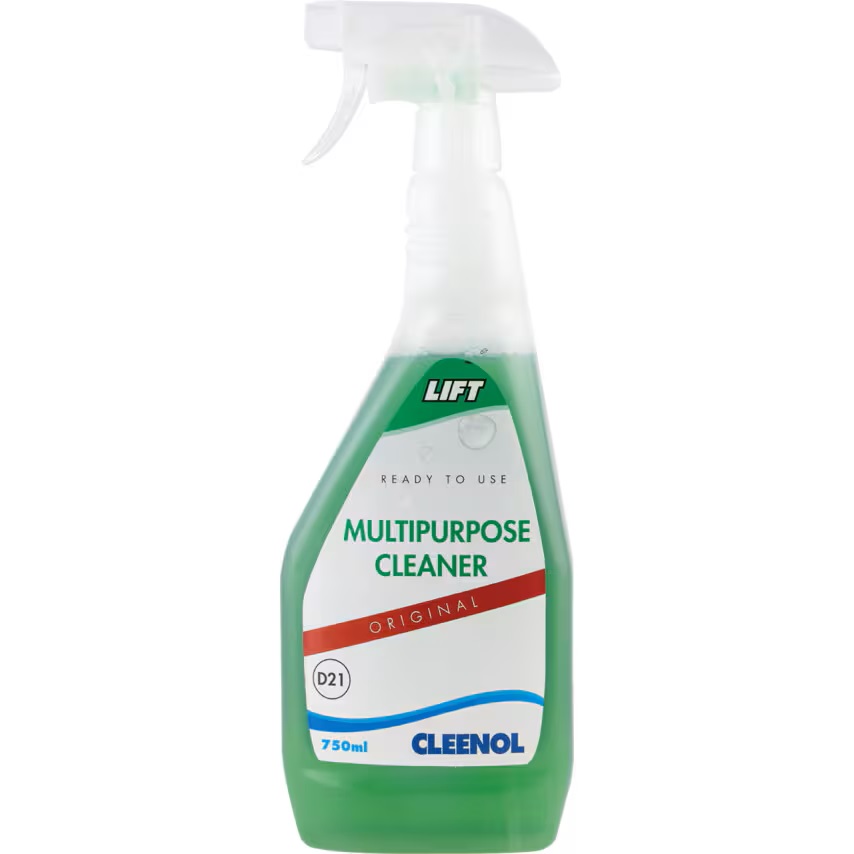
Rinse aid is a liquid that lowers the surface tension of the final rinse water. Instead of beading into droplets that dry into spots, the water sheets off glasses and plates and they dry clear. In a commercial dishwasher it works with the detergent, and with a descaler in hard-water areas.
What does rinse aid do in a commercial dishwasher?
Rinse aid lowers the surface tension of the water in the final rinse. Water then runs off glasses and crockery in a thin sheet rather than sitting in droplets. Droplets dry and leave behind whatever was in the water, which is what you see as spots and smears. Sheeting water leaves almost nothing.
It also speeds up drying. A thin film of water evaporates far quicker than fat droplets, so items come out of a short commercial cycle ready to use instead of needing a towel. In a busy bar or cafe that matters, because hand-polishing glasses eats staff time you do not have.
Rinse aid does no cleaning at all. The detergent removes the food and grease during the wash. The rinse aid only affects how the water behaves on the way out. That is why running one without the other never works properly.
Do you need rinse aid as well as detergent?
Yes. Detergent and rinse aid do separate jobs at separate points in the cycle. Detergent lifts food and grease during the wash. Rinse aid changes how the final rinse water drains. Skip the detergent and things stay dirty. Skip the rinse aid and clean items still dry spotted and cloudy.
Commercial machines hold them in two containers and pull from each at the right moment. Most have a dosing pump for the detergent and a second one for the rinse aid, both drawing from a tub or a 5-litre container sitting under the machine. Once they are set up, all you do is swap an empty container for a full one.
In hard-water areas a third product comes into play. A descaler keeps limescale off the heating element and the internal pipes. Left alone, scale builds up, the machine heats slower, and the glasses pick up a white film that no amount of rinse aid will fix.
Can you use Finish tablets in a commercial dishwasher?
Usually not. Finish tablets and other all-in-one tablets are made for household machines with long cycles that give the tablet time to dissolve. Commercial machines run very short cycles and dose liquid chemicals through pumps, so a tablet has nowhere to go and no time to work.
Tablets still have their place. If you run a small domestic-style machine in a staff kitchen or a small office, tablets and a bottle of rinse aid are the simple option. Many all-in-one tablets include a rinse aid element, though topping up the separate rinse aid reservoir still gives a better finish on glassware.
For a proper glasswasher or passthrough dishwasher, buy liquid. It doses accurately, it costs less per wash at trade sizes, and it is what the machine was designed around.
| Product | What it does | Best for |
|---|---|---|
| Liquid dishwasher detergent | Removes food, grease and staining during the wash | Commercial dishwashers and glasswashers |
| Rinse aid | Makes final rinse water sheet off so items dry clear | Every machine, commercial or domestic |
| All-in-one tablets | Detergent plus some rinse aid and salt action in one | Domestic machines and small staff kitchens |
| Descaler | Strips limescale from elements and pipework | Hard-water areas, used periodically |
How much rinse aid should you use?
Follow the dosing on the product label and the machine's own setting, because both vary by product strength and water hardness. Rinse aid is dosed by the machine in a small amount per cycle. Harder water needs more, soft water needs less. Adjust in small steps and look at the glasses.
Two clear signs tell you the dose is wrong:
- Spots, streaks and slow drying point to too little rinse aid, or an empty container.
- A faint film, foam or a soapy taste on glasses points to too much.
Change one thing at a time. If you adjust the rinse aid and the detergent dose together, you will never know which fixed it. Check the containers daily as part of close-down so nobody starts a service with an empty tub.
Why are my glasses coming out cloudy?
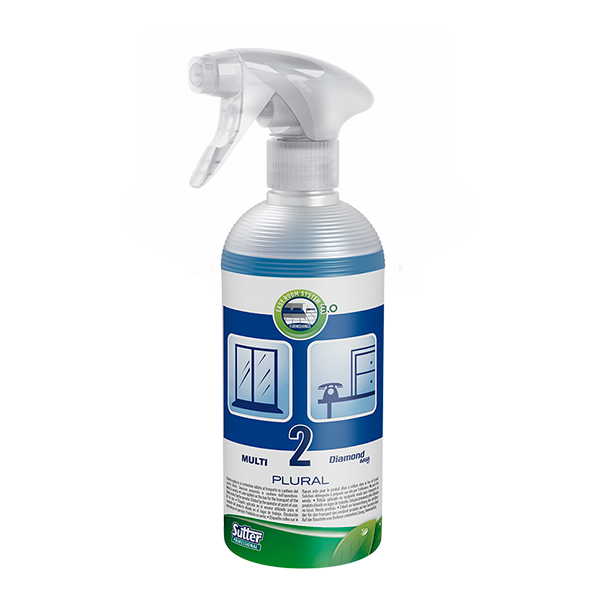
Cloudy glasses have three usual causes. The rinse aid is empty or under-dosed, so water dries in droplets. Limescale has built up from hard water and coated the glass. Or the detergent dose is too high and leaving a residue. Work through them in that order.
Start with the rinse aid, because it is the quickest to check and the most common cause. Then look at scale. If the inside of the machine feels chalky, or your area has hard water, run a descaler and see whether the glasses improve. Permanent cloudiness that a descale will not shift usually means the glass itself is etched, and etched glass never comes back.
Filters and spray arms matter too. Blocked jets mean parts of the load never get a proper rinse. Pull the filters daily, rinse them, and poke out the spray arm holes. Full detail on the other kitchen chemicals is in the commercial cleaning chemicals guide.
Order dishwasher detergent and rinse aid
Commercial rinse aid, dishwasher detergent and tablets at trade prices, with fast delivery anywhere in Ireland.
What else does a kitchen need alongside the dishwasher?
The machine handles the bulk of the load, but not all of it. Big pots, pans and anything hand-washed still need washing-up liquid, and buying it in trade sizes cuts the cost sharply. See buying washing-up liquid in bulk.
Surfaces need their own products. A food-safe sanitiser for prep areas and a degreaser for ranges and extraction cover the rest of the kitchen. Those are set out in disinfectants and sanitisers and kitchen degreasers and hard-surface cleaners.
Store everything in its original labelled container, keep it away from food, and never mix products. That is a COSHH basic and it applies to dishwasher chemicals as much as anything else, because commercial detergent is strong stuff.
Frequently asked questions
What does rinse aid do in a dishwasher?
Rinse aid lowers the surface tension of the final rinse water so it sheets off glasses and plates instead of beading into droplets. Droplets dry and leave spots and smears behind, while a thin sheet of water evaporates fast and clear. It also speeds up drying, which matters on short commercial cycles.
Do you need rinse aid as well as dishwasher detergent?
Yes, they do different jobs. Detergent removes food and grease during the wash, while rinse aid only changes how the final rinse water drains off. Without detergent your items stay dirty. Without rinse aid they come out clean but spotted and slow to dry. Commercial machines dose both separately.
Can you use Finish tablets in a commercial dishwasher?
Usually not. All-in-one tablets like Finish are built for household machines with long cycles that give the tablet time to dissolve. Commercial machines run very short cycles and dose liquid chemicals through pumps. Use liquid detergent and rinse aid in a glasswasher or passthrough machine, and keep tablets for domestic-style machines.
How much rinse aid should a commercial dishwasher use?
Follow the product label and your machine's dosing setting, as both vary with product strength and water hardness. Harder water needs more, soft water needs less. Spots and slow drying mean too little. A film, foam or soapy taste on glasses means too much. Adjust in small steps and check the results.
Why do my glasses come out cloudy from the dishwasher?
The three usual causes are an empty or under-dosed rinse aid container, limescale from hard water, and too much detergent leaving residue. Check the rinse aid first, then run a descaler if your water is hard. Cloudiness that a descale will not shift is usually etched glass, which cannot be reversed.
Is rinse aid the same as descaler?
No. Rinse aid is dosed every cycle and changes how rinse water drains off your glassware. A descaler is used periodically to strip limescale off the heating element and pipework inside the machine. In hard-water areas you need both, along with the detergent, to keep glasses clear and the machine working well.