

Food Safety Date Labels: Use-By vs Best-Before Explained
Food safety date labels come in two kinds. A use-by date is about safety, so food must never be sold or eaten after it. A best-before date is about quality, so the food is usually still safe afterwards but may have lost flavour or texture. Perishable food gets a use-by date. Ambient goods get a best-before.
Please note: this guide is general information to help you understand the basics, not legal advice. Food law changes and depends on your exact business. Always confirm your obligations with the FSAI (Food Safety Authority of Ireland) before relying on it.
What is the difference between a use-by and a best-before date?
A use-by date tells you when food stops being safe. After that point the food may carry harmful bacteria even if it looks and smells fine. A best-before date tells you when food stops being at its best. Past it the food is usually still safe, but the taste, colour or texture may have dropped off.
That one difference decides how you treat the stock. Use-by is a hard stop. You cannot sell it, serve it, cook it or freeze your way out of it once the date has passed. Best-before is a judgement call. A tin of beans a little past its best-before is normally fine, and plenty of shops sell short-dated ambient stock at a reduced price.
Smell and appearance are not a test for use-by food. The bacteria that make people ill do not always change how food looks. That is why the date, and not your nose, is the control.
| Date | What it means | Typical foods | Sell past it? |
|---|---|---|---|
| Use-by | Safety | Fresh meat, fish, dairy, prepared food, cooked deli items | No, never |
| Best-before | Quality | Tinned, dried, frozen, ambient goods | Often yes, if still good |
Which date goes on which food?
Perishable food that goes off quickly and could make someone ill takes a use-by date. That covers fresh meat, fish, dairy, chilled ready meals and food you have cooked or opened. Longer-life food takes a best-before date. That covers tinned goods, dried pasta and pulses, crisps, biscuits and most frozen items.
If you buy in packed goods, the supplier has already made that choice for you. Your job is to store the food as the label says, rotate it so the oldest goes first, and pull anything that has passed its use-by. Storage matters as much as the date. A chilled item held above its stated temperature can become unsafe well before the printed date.
- Use-by: fresh meat and poultry, fish, milk and soft cheese, chilled ready meals, opened deli meats.
- Best-before: tinned goods, dried rice and pasta, flour, sugar, crisps, biscuits, frozen stock.
- Neither, usually: fresh fruit and vegetables sold loose, salt, vinegar and sugar.
The wider set of rules these dates sit inside is covered in the pillar guide to food labelling compliance in Ireland.
Can you sell food after the best-before date?
You can generally still sell food after its best-before date, as long as it is safe and you are honest about it. The food must still be fit to eat and the quality drop must be made clear to the customer. Use-by food is different. Once that date passes, the food comes off the shelf.
Most shops mark short-dated ambient stock down rather than bin it. Keep it separate, price it clearly and rotate it. Selling past best-before is a commercial decision about quality and customer trust, so use your judgement on the item in front of you. If it looks tired, do not sell it.
How do you date-label food you prepare yourself?
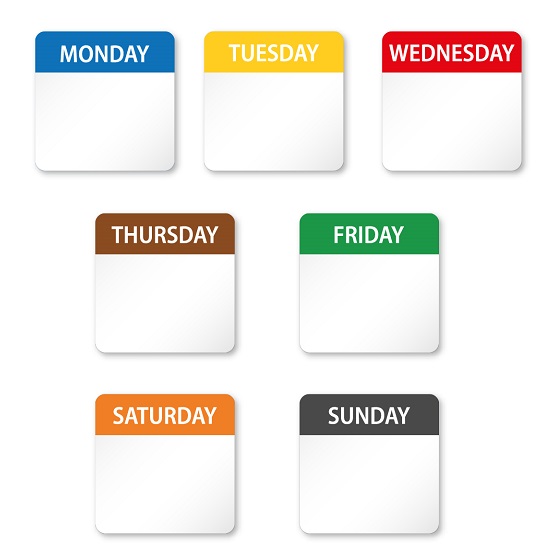
Food you make, open or decant needs a date label you write yourself. Mark what it is, the date it was prepared or opened, and the date it must be used by. Colour-coded day dots make that quick, because each day of the week has its own colour and staff can read the shelf at a glance.
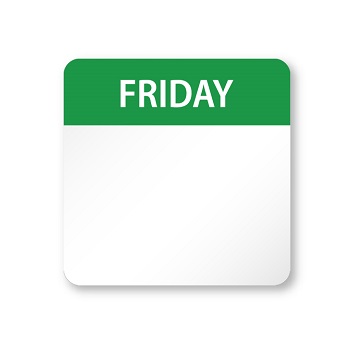
This is where your date labelling meets your HACCP system. Prep and rotation labels give you the paper trail that shows food moves through the kitchen in order and gets discarded on time. How to set that up is in HACCP and food rotation labels.
Keep the rules simple enough that a new starter can follow them on a busy shift. One label format, one pen, one place the labels live, and a nightly check of what is due out tomorrow.
Get your date and rotation labels sorted
Day dots, prep labels, use-by labels and allergen labels, at trade prices with fast Irish delivery.
What do inspectors look for on date labels?
Inspectors want to see a system that works, not just labels in a drawer. They look for prepared food that is dated, stock rotated so the oldest is used first, nothing in the fridge past its use-by, and staff who can explain the rules. Missing or unreadable dates are a common and avoidable finding.
Food safety in Ireland is overseen by the Food Safety Authority of Ireland, working with the HSE and local authorities who carry out inspections. Their guidance is the place to check the current detail for your type of business. Date labelling sits alongside your allergen information and your kitchen signage as the things an inspector can check in minutes.
Two related guides help you cover the rest: the 14 allergens explained and food safety signs every Irish kitchen needs.
Frequently asked questions
What is the difference between use-by and best-before?
A use-by date is about safety. Do not sell or eat food after it, and it is used on perishable items like fresh meat, fish and dairy. A best-before date is about quality. The food is usually still safe afterwards but may not be at its best, and it is used on tinned, dried and frozen goods.
Can you eat food after the best-before date?
Usually yes. A best-before date marks quality, not safety, so tinned, dried and frozen goods are often fine after it. Check the food looks and smells right first. This does not apply to use-by dates, which are a safety line you should never cross.
Can a shop sell food past its use-by date?
No. Once a use-by date has passed the food must come off sale. Use-by is a safety date and harmful bacteria can be present even when the food looks and smells normal. Pull it, record it and dispose of it. Best-before stock is different and can often still be sold.
Which foods need a use-by date?
Perishable foods that could make someone ill need a use-by date. That covers fresh meat and poultry, fish, milk and soft cheese, chilled ready meals and prepared or opened deli items. Longer-life foods such as tinned, dried and frozen goods carry a best-before date instead.
How should I date-label food I prepare in my kitchen?
Label it with what it is, the date it was prepared or opened, and the date it must be used by. Colour-coded day dots make this fast because each day of the week has its own colour. The labels support your HACCP system and let staff rotate stock without guessing.
Does freezing food extend its use-by date?
Freezing stops the clock rather than resetting it. Food frozen before its use-by date should be labelled with the date it went in the freezer and used soon after defrosting. You cannot freeze food that has already passed its use-by date to make it safe again.