


1.5V Batteries: AA, AAA, C & D, Which Do You Need?
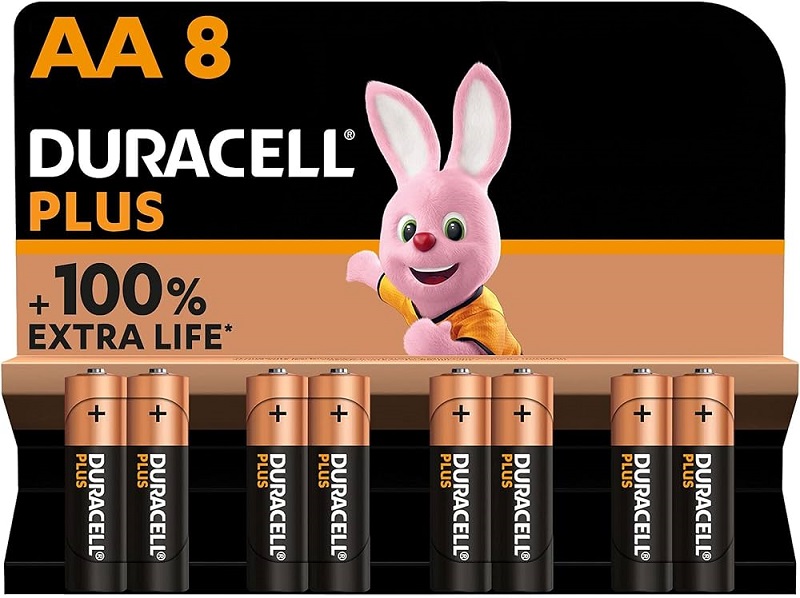
1.5V batteries are the standard single-use cylindrical cells: AA, AAA, C and D. All four give the same 1.5 volts, so the voltage is not what separates them. Size and capacity are. A bigger cell holds more energy and lasts longer, so you pick the one your device is built to take.
What is a 1.5V battery?
A 1.5V battery is a single alkaline cell that puts out one and a half volts. AA, AAA, C and D are all 1.5V cells. One alkaline cell produces roughly that voltage by its chemistry, so every size lands on the same figure. What changes between them is how much energy the cell holds and how long it runs.
Think of voltage as pressure and capacity as the size of the tank. All four sizes push at the same pressure, which is why a device designed for 1.5V cells works on the right shape whatever the size. The bigger tank simply lasts longer before it runs dry.
This matters when you buy. You are not choosing a stronger battery when you move from AAA up to D. You are choosing a longer-running one, in a shape your device may or may not accept.
What is the difference between AA, AAA, C and D?
Size and capacity. AAA is the slimmest and holds the least, AA is the common workhorse, C is bigger again, and D is the largest of the four and runs the longest. Voltage stays at 1.5V across all of them. None of the sizes swap for another, because each device has a battery bay cut to one shape.
| Size | Voltage | Relative capacity | Typical use |
|---|---|---|---|
| AAA | 1.5V | Lowest | Remotes, small scanners, keyboards, mice |
| AA | 1.5V | Low to medium | Scales, label guns, clocks, most devices |
| C | 1.5V | High | Mid-size torches, some equipment |
| D | 1.5V | Highest | Large torches, high-drain devices |
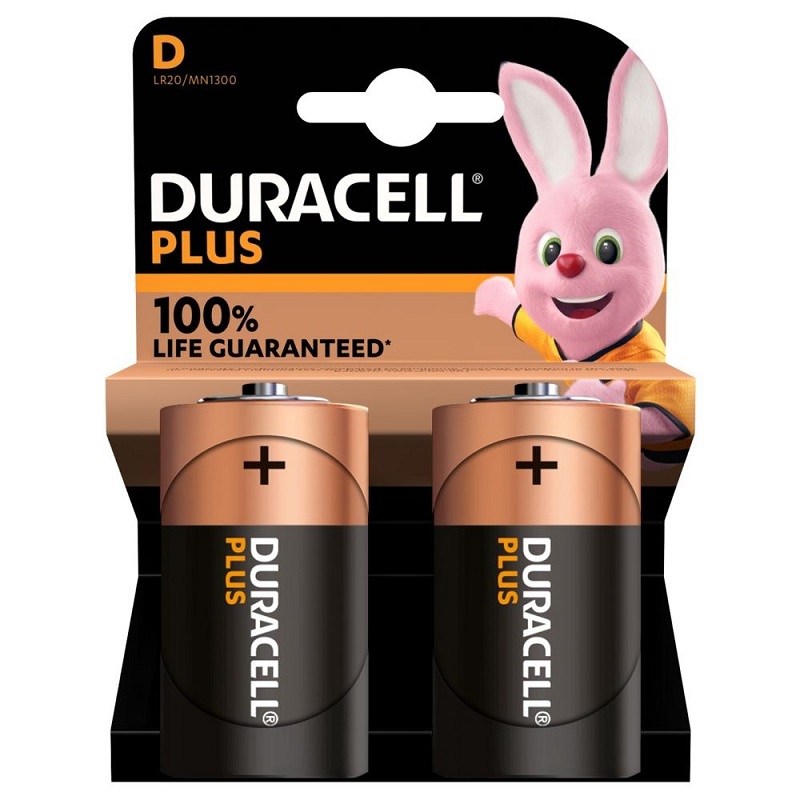
C and D sit at the heavy end of the range. Both are 1.5V, but D is the larger cell and carries more energy, so it keeps a big torch going far longer than a C would. They are covered in full in C and D batteries explained.
Are AA and 1.5V batteries the same thing?
Yes and no. Every standard alkaline AA battery is a 1.5V battery, so if a device asks for a 1.5V AA, an ordinary AA is what you want. But 1.5V is not exclusive to AA. AAA, C and D are 1.5V too. The label tells you the voltage, the letter tells you the size.
Shoppers often search for a 1.5V battery when the device manual or the back of the remote lists the voltage rather than the size. If that is you, look at the old battery or the battery bay. The size letter is printed on the cell itself, and the bay is moulded to fit one size only.
One thing to watch: a rechargeable NiMH cell in the same AA or AAA shape supplies a slightly lower voltage than an alkaline one. Most equipment copes fine. A few sensitive devices do not, so check before you switch a whole fleet over.
Which 1.5V sizes should a business stock?
Stock AA and AAA first. Between them they run most of the kit in a shop or office, from remotes and scanners to scales, label guns, clocks and keyboards. Add C and D only for the specific equipment that takes them, usually torches. Keep 9V alongside for smoke alarms, even though it is not a 1.5V cell.
A simple stock rule works well:
- AA and AAA in quantity, because they turn over fastest.
- C and D in small numbers, matched to the torches and equipment you actually own.
- 9V for smoke alarms and detectors, so a chirping alarm never waits.
Walk round once and write down what each device takes. That list becomes your reorder sheet, and it stops you buying D cells for a building that has none. The full picture is in the business batteries buying guide.
How long does a 1.5V battery run for?
Run time comes down to two things: how much energy the cell holds and how hard the device pulls on it. A D cell in a clock can run for a very long time, while an AAA in a wireless scanner empties fast. That is why the same battery seems to last months in one device and days in another.
Devices split roughly into two groups, and it changes which size makes sense:
- Low drain, sipping a small current for months. Clocks, remotes, keyboards and detectors. An AAA or AA is fine here, and the cell usually reaches its best-before date before the device flattens it.
- High drain, pulling hard in bursts. Wireless scanners, motorised kit and torches. This is where a bigger cell earns its place, and where AAA runs out fastest.
One habit costs businesses more run time than anything else: mixing old and new cells in the same device. The tired cell drags the fresh ones down to its level and is the one most likely to leak. Change a full set at a time, every time.
Shelf life is a separate question from run time. Alkaline cells keep for years in the pack, and how to store them is covered in C and D batteries explained.
On brand, the choice for a business is between the Duracell retail packs and the bulk Procell line, which carry the same alkaline chemistry at different prices per cell. The two are set side by side in Duracell Plus vs Procell.
Order 1.5V batteries in bulk
AA, AAA, C and D in Duracell Plus and Procell, single packs to bulk boxes, at trade prices with fast Irish delivery.
Frequently asked questions
What is a 1.5V battery?
A 1.5V battery is a single alkaline cell that supplies one and a half volts. AA, AAA, C and D are all 1.5V cells, because one alkaline cell produces roughly that voltage by its chemistry. What changes between the sizes is how much energy the cell holds and how long it runs in your device.
Are AA batteries 1.5V?
Yes. A standard alkaline AA battery is a 1.5V battery, so if a device asks for a 1.5V AA, an ordinary AA is what you need. AAA, C and D are 1.5V as well. The voltage tells you the strength and the letter tells you the size, and you have to match both.
What is the difference between AA, AAA, C and D batteries?
Size and capacity, not voltage. All four supply 1.5V. AAA is the slimmest and holds the least, AA is the common workhorse, C is bigger again, and D is the largest and runs the longest. The sizes are not interchangeable, because each device has a battery bay cut to one shape.
Which 1.5V batteries should a business keep in stock?
Stock AA and AAA in quantity, since they run remotes, scanners, scales, label guns, clocks and keyboards. Add C and D only for the torches and equipment that take them. Keep 9V alongside for smoke alarms. Walk round once, note what each device uses, and turn that list into your reorder sheet.
Can I use a rechargeable battery instead of a 1.5V alkaline?
Usually yes. A rechargeable NiMH cell comes in the same AA and AAA shapes and fits the same devices. It supplies a slightly lower voltage than an alkaline cell, which most equipment copes with fine. A few sensitive devices do not, so test one before switching every device over.
How long does a 1.5V battery run for?
Run time depends on the cell's capacity and how hard the device pulls on it. The same AA lasts months in a clock and days in a wireless scanner. Bigger cells run longer in the same job, so D outlasts C, and C outlasts AA. Never mix old and new cells, because the tired one drags the fresh ones down.