


C & D Batteries Explained: Sizes, Uses and Shelf Life
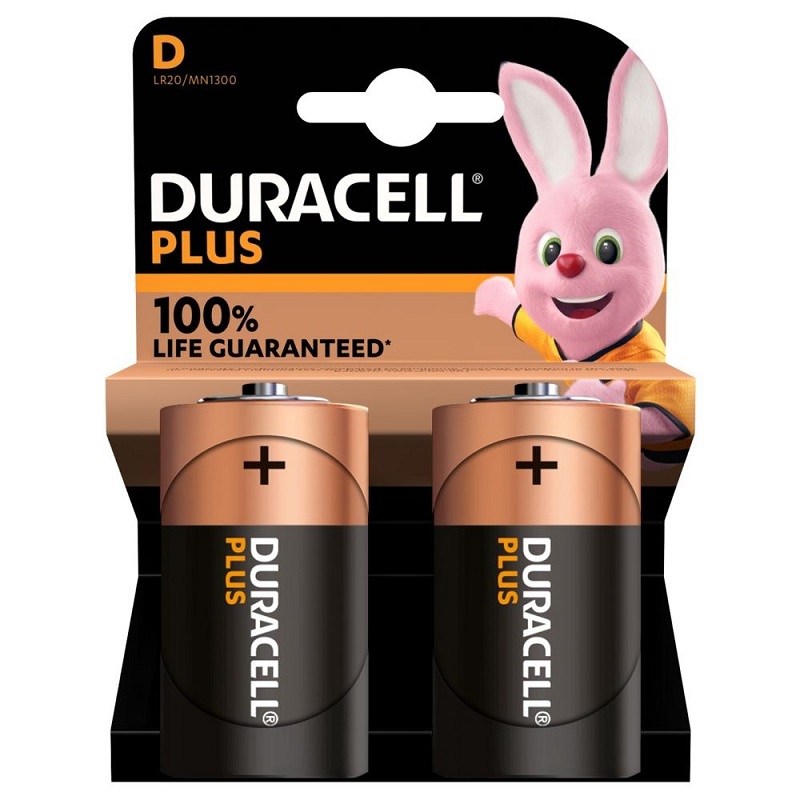
C and D batteries are both 1.5V cylindrical cells, but D is the larger of the two and holds more energy. C sits between AA and D in size and capacity. They are not interchangeable. Your device takes one or the other, so check before you order. Both are common in torches and larger equipment.
What is a C battery?
A C battery is a 1.5V cylindrical cell that sits between AA and D in size. It is fatter and taller than an AA but shorter and slimmer than a D. C cells suit mid-size torches, some radios, and equipment that draws steady power over a long run without needing the bulk of a D.
The letter is only a size code. It tells you nothing about the chemistry or the power. A C alkaline cell gives the same 1.5V as an AA alkaline cell. The difference is how much energy is packed inside. More paste and more electrode means the cell runs for longer before it dies.
That is why device makers pick C over AA. If a torch needs to run for hours on a night shift, four AA cells will fade first. The same torch on C cells keeps going. The trade-off is weight and cost per cell.
What is a D battery, and how is it different from C?
A D battery is the largest common cylindrical cell at 1.5V, noticeably wider and taller than a C. It holds more energy, so it lasts longer in high-drain devices. C and D differ only in physical size and capacity, not voltage. The device decides which one you need.
Put a C and a D side by side and the difference is obvious. The D is the chunky one you find in big rubber-bodied torches, emergency lanterns, and some industrial kit. The C is the one you find in the smaller torch in the first aid cupboard.
| C | D | |
|---|---|---|
| Voltage | 1.5V | 1.5V |
| Physical size | Between AA and D | Largest common cylinder |
| Capacity | Higher than AA | Highest of the cylinders |
| Runs longest in | Steady, medium-drain kit | High-drain kit, long runs |
| Where you find it | Mid-size torches, radios | Large torches, lanterns, dispensers |
How these two sit against AA and AAA is set out in 1.5V batteries: AA, AAA, C and D, which do you need.
Can you use a C battery instead of a D?
No. A C battery is physically too small to make contact in a D compartment, and a D will not fit a C compartment at all. The voltage matches, but the size does not. Padding a C cell out with foil or a spacer is a bad idea and risks damaging the device.
Check the device before you buy. The battery compartment usually has the size printed inside, next to the plus and minus marks. If the old cell is still in there, read the label on it. If the device is new, the manual states the size and how many cells it takes.
Getting this wrong is the most common ordering mistake with these two sizes. They sound similar and sit next to each other on the shelf, but a box of the wrong one is a box you cannot use.
Which devices in a business take C or D batteries?
C and D are not the everyday sizes in most workplaces. AA and AAA are. But when a device does take a C or a D, it usually matters, because the device is often safety kit or something that has to run for a long time. Common ones include:
- Large torches and hand lamps for stock rooms, cellars and yards
- Emergency lanterns and portable work lights
- Some radios and portable speakers
- Certain older equipment and test gear
- Some soap and towel dispensers in washrooms
Because these devices sit unused for long stretches, the batteries in them are the ones most likely to be flat when you finally need them. Test the torches on a schedule, the same way you test the smoke alarms. More on those is in 9V batteries for smoke alarms and equipment.
How long do C and D batteries last in storage?
Alkaline C and D batteries typically keep most of their charge for around 5 to 10 years if stored cool, dry and in their original packaging. That makes buying ahead sensible. Avoid heat and humidity, check the best-before date on the pack, and rotate stock so the older cells get used first.
Storage rules are simple. Keep the packs sealed until you need them, because loose cells rattling in a drawer can short against each other and against metal objects. Keep them out of direct sun and away from radiators. A cupboard at normal room temperature is fine, a fridge is not needed.
Two habits save you money. First, never mix old and new cells in the same device, because the weaker one drags the pair down and can leak. Second, take the batteries out of anything you are putting away for months. A leaking cell can ruin a torch that cost far more than the battery.
Order C and D batteries by the box
Duracell C and D cells, plus AA, AAA and 9V, in single packs or bulk, at trade prices with fast Irish delivery.
How many C and D cells should you keep?
C and D are the sizes businesses most often over-buy or forget entirely. Because turnover is slow, the answer is not "a box, to be safe". Count the devices that actually take each size, note how many cells each one holds, and keep roughly one full replacement set per device. That is enough to fix a dead torch on the spot without leaving cells sitting so long they reach their best-before date on the shelf.
Which line you buy them in is a separate question, and the two Duracell grades are set side by side in Duracell Plus vs Procell: retail vs industrial batteries. The wider picture across every size is in the business batteries buying guide.
Frequently asked questions
What is the difference between C and D batteries?
C and D are both 1.5V cylindrical batteries, but D is larger and holds more energy, so it lasts longer in high-drain devices like big torches and some equipment. C sits between AA and D in size and capacity. They are not interchangeable, the device takes one or the other, so check before buying.
Can I use a C battery instead of a D battery?
No. A C cell is physically too small to make proper contact in a D compartment, and a D will not fit a C compartment at all. The voltage is the same 1.5V, but the size is not. Do not pad a C cell out with foil or a spacer, as it risks damaging the device.
What voltage is a C battery?
A standard alkaline C battery is 1.5V, the same voltage as AA, AAA and D. The letter is a size code, not a power rating. What changes with size is capacity, so a bigger cell runs a device for longer before it goes flat, but it does not supply more voltage.
What devices use C and D batteries?
C cells turn up in mid-size torches, some radios and various equipment. D cells go in large torches, emergency lanterns, portable work lights and some washroom dispensers. Both are less common in offices and shops than AA and AAA, but the devices that take them are often safety kit worth keeping stocked.
How long do C and D batteries last in storage?
Alkaline C and D batteries typically keep most of their charge for around 5 to 10 years if stored cool, dry and in their original packaging. Avoid heat and humidity, check the best-before date on the pack, and rotate stock so older batteries get used first. Buying ahead in bulk is sensible.
Do C and D batteries leak?
Alkaline cells of any size can leak, usually when they are left flat in a device for a long time or when old and new cells are mixed together. Take the batteries out of anything being stored for months, never mix old with new in the same device, and replace all cells in a device at once.