


PLA vs Bagasse vs Kraft: Which Eco Material for Your Packaging?
Compostable packaging materials come down to three main choices. PLA is a plant-based bioplastic for cold cups and clear items, and it needs industrial composting. Bagasse is moulded sugarcane fibre for plates, bowls and hot food, and it composts at home or industrially. Kraft is unbleached paperboard for boxes, bags and sleeves, and it is both recyclable and compostable.
What are the main compostable packaging materials?
Four materials cover nearly all compostable foodservice packaging. PLA is a bioplastic made from plant starch. Bagasse is the fibre left after sugarcane is pressed. Kraft is unbleached paperboard. CPLA is a heat-tolerant version of PLA used mainly for cutlery and hot lids. Most cafes end up using a mix of all four.
They are not rivals doing the same job. Each one solves a different problem. PLA gives you clarity, bagasse gives you strength under heat and grease, kraft gives you a cheap and sturdy box. Buying well means matching the material to the food, not picking one and forcing it everywhere.
The wider picture, including what "compostable" is certified to mean, sits in the compostable foodservice packaging guide.
What is PLA, and what is it good for?
PLA (polylactic acid) is a bioplastic made from plant starch rather than oil. It looks and feels like clear plastic, so it works for cold cups, smoothie cups, salad boxes and cold-drink lids. It softens with heat, so it is a cold-side material. PLA is certified for industrial composting, not home composting.
PLA is the material customers notice least, because it behaves like the clear plastic it replaced. Your iced coffee still looks right through the side of the cup. That matters more than it sounds when you are selling cold drinks and layered desserts.
Two things to plan for. First, keep PLA away from hot liquid and hot food. Second, PLA needs an industrial composting facility to break down properly, so it is worth knowing where your waste goes before you standardise on it.
- Use it for: cold cups, clear lids, cold deli boxes, cup linings.
- Avoid it for: hot drinks, hot food, anything going near an oven or a microwave.
- Composting: industrial only.
What is bagasse, and why do cafes like it?
Bagasse is the fibre left after juice is pressed from sugarcane, moulded into plates, bowls and food containers. It is tree-free, sturdy under hot and wet food, and it handles grease well. Bagasse is both home and industrially compostable, which makes it the most forgiving of the three at the bin stage.
If you serve hot food to go, bagasse is usually the right answer. It holds curry, chips, roast dinners and soup without going soft or leaking through. It takes a lid, stacks tidily and does not need a plastic lining to survive the journey.
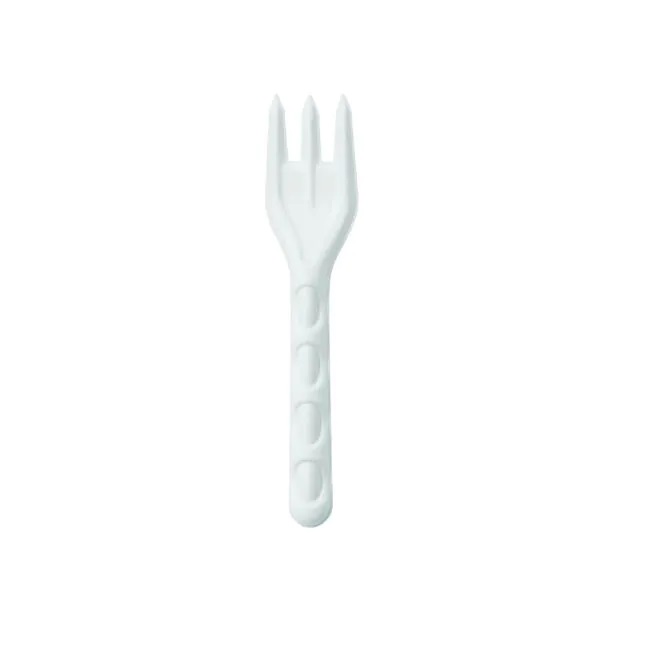
The same material shows up in cutlery too. Our bagasse forks and spoons are moulded from the same sugarcane fibre as the containers.
Cutlery is its own decision, because wooden and CPLA options compete with bagasse there. That comparison is in wooden and CPLA cutlery.
What is kraft, and when should you use it?
Kraft is unbleached paperboard, the brown card you see on takeaway boxes, food bags, cup sleeves and noodle boxes. It is the cheapest of the three, easy to print your branding on, and it is both recyclable and compostable when it is clean. Kraft suits dry and warm food more than wet food.
Kraft is where most cafes start, because it costs little and looks the part straight away. A plain brown box reads as "eco" without any explaining. It also takes a printed logo well, so your packaging does some marketing for you.
The limit is moisture. Bare kraft goes soft under wet or very greasy food, which is why kraft containers for saucy dishes usually carry a lining. Ask what the lining is. A PLA or water-based lining keeps the item compostable. A standard plastic lining does not.
Which eco material should you choose?
Choose by the food you are packing. Cold and clear goes to PLA. Hot, wet or greasy goes to bagasse. Dry, warm and carried goes to kraft. Cutlery goes to wood or CPLA. Most food businesses need two or three of these, not one, and the mix is set by the menu.
| Material | Made from | Best for | Weak spot | Composting |
|---|---|---|---|---|
| PLA | Plant starch | Cold cups, clear lids, cold deli boxes | Softens with heat | Industrial |
| Bagasse | Sugarcane fibre | Hot food, soup, plates, bowls | Not clear, costs more than kraft | Home and industrial |
| Kraft | Unbleached paperboard | Boxes, bags, sleeves, dry food | Goes soft when wet | Recyclable and compostable |
| CPLA | Crystallised PLA | Hot cutlery, hot lids | Industrial composting only | Industrial |
One more thing to check across all of them. Ask for PFAS-free lines, so the grease-proofing on the packaging is as clean as the fibre under it.
Stock the right eco material for every item
PLA cold cups, bagasse containers, kraft boxes and bags, wooden and CPLA cutlery, at trade prices with fast delivery across Ireland.
Does the material change how you bin it?
Yes, and this is where most switches fall down. Bagasse composts at home or industrially. PLA and CPLA need an industrial facility. Clean kraft can go for recycling, food-soiled kraft cannot. Check what your waste collector actually accepts before you standardise on a material, not after.
A compostable container that ends up in a general bin is treated as general waste. Buying the greener item is only half the job, and the disposal side is set out in brown bin or green bin in Ireland. If the difference between "compostable" and "biodegradable" on the box is still unclear, start with biodegradable vs compostable packaging.
Label your bins, tell your staff which item goes where, and put a small sign up for customers. That single step does more for your actual footprint than swapping one material for another.
Frequently asked questions
What are the main compostable packaging materials?
The main ones are PLA, bagasse, kraft and CPLA. PLA is a bioplastic made from plant starch and used for cold, clear items. Bagasse is moulded sugarcane fibre used for hot food. Kraft is unbleached paperboard used for boxes and bags. CPLA is a heat-tolerant PLA used for cutlery and hot lids.
Is PLA better than bagasse?
Neither is better overall, they suit different jobs. PLA is clear and works for cold drinks and cold deli items, but it softens with heat and needs industrial composting. Bagasse is opaque and stronger under hot, wet and greasy food, and it composts at home as well as industrially. Most cafes use both.
What is bagasse packaging?
Bagasse is the fibre left after juice is pressed from sugarcane, moulded into sturdy plates, bowls and food containers. It is naturally tree-free, sturdy enough for hot and wet food, and both home and industrially compostable, which makes it one of the most practical eco materials for foodservice.
Are PLA cups compostable at home?
No. PLA is certified for industrial composting, which runs hotter and faster than a garden heap or a home bin. A PLA cup left in home compost will not reliably break down. It needs a facility that can process it, so check what your waste collector accepts before you switch your cold cups to PLA.
Is kraft packaging compostable or recyclable?
Clean kraft is both. It is unbleached paperboard, so it can be recycled when it is free of food, and it will compost when it is not. Food-soiled kraft should not go in the recycling. Check any lining too, because a plastic lining stops the item being compostable.
Which eco material is cheapest?
Kraft is generally the cheapest of the three, followed by bagasse, with PLA and certified items usually costing a little more. Price is only part of it though. Using kraft for wet food means leaking boxes and complaints, so match the material to the food first and compare costs within that choice.