


Wooden & CPLA Cutlery: Compostable, Reusable & Safe?
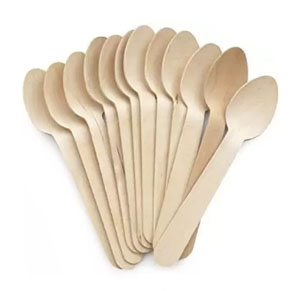
Wooden cutlery is compostable, and it is one of the few foodservice items that breaks down in a home compost heap as well as an industrial one. It is plain untreated wood, usually birch. CPLA cutlery is also compostable, but only industrially, because it is a plant-based bioplastic that needs a hot commercial process.
Is wooden cutlery compostable?
Yes. Wooden cutlery is compostable at home and industrially, because it is untreated wood and nothing else. No plastic layer, no coating, no dye. Put it on a garden compost heap and it rots like a twig. That makes it the simplest compostable item in most cafes, and the easiest one to explain to customers.
Most wooden cutlery is birch. Birch is light, close-grained and strong enough to hold its shape in hot food. The wood is cut, pressed and smoothed, then that is the whole product. Because there is no mixed material to separate, there is nothing to go wrong at the disposal end.
That matters more than it sounds. A lot of eco packaging only counts as compostable in an industrial facility, and plenty of Irish waste collectors will not take packaging in the brown bin at all. Wooden cutlery sidesteps most of that. It still needs to reach a composting route rather than a general bin, but it is far less fussy about which one. The bin rules are set out in brown bin or green bin.
What is CPLA cutlery, and how is it different?
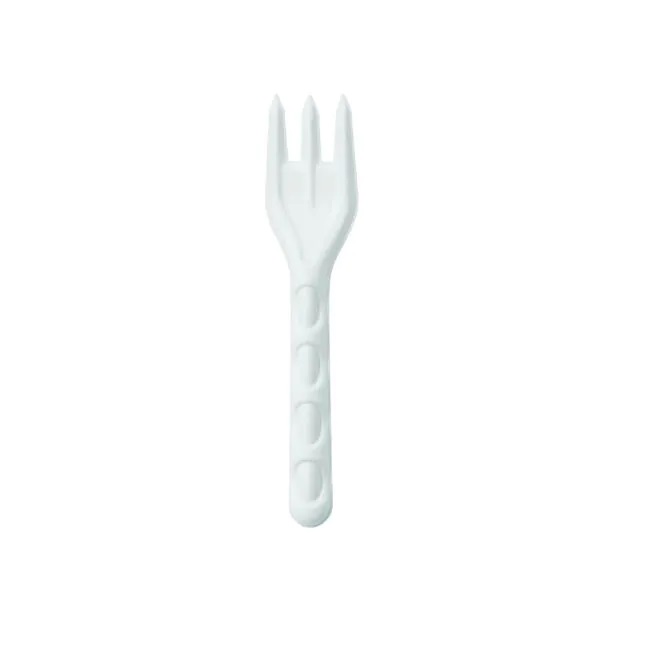
CPLA is crystallised PLA, a plant-based bioplastic that has been treated to handle heat. It looks and feels like traditional plastic cutlery, usually white or black, and it does not soften in hot soup or coffee. It is certified compostable, but for industrial composting only, not a garden heap.
Plain PLA goes soft when it warms up, which is why it is used for cold cups rather than a soup spoon. Crystallising it changes that. CPLA holds up to hot food and hot drinks, so it covers the jobs wood is sometimes criticised for.
The trade-off is the disposal route. CPLA needs the temperatures of a commercial composting plant to break down properly. In a garden heap it will sit there. In a general bin it behaves like any other waste. So CPLA only earns its green credentials if you know where it is going.
Both materials sit alongside the other eco options in the compostable foodservice packaging guide.
Can you reuse or wash wooden and bamboo cutlery?
Single-use wooden and bamboo cutlery is not designed to be washed and reused. A rinse is fine at a picnic, but a hot dishwasher cycle swells and roughens the wood, and repeated soaking splits it. If you want genuine reusables, buy proper reusable bamboo or metal cutlery made for that job.
The confusion comes from the material. Wood and bamboo both feel like something you should keep. But disposable cutlery is thin and untreated, so it soaks up water fast. Once the grain lifts, the surface goes rough and the piece feels unpleasant to eat with.
- Single-use wooden or bamboo cutlery. Use once, then compost. Cheap per unit, no washing up, no storage.
- Reusable bamboo cutlery sets. Thicker, often oiled, sold as a travel set. Washable by hand, meant to last.
- Metal cutlery. The lowest waste option of all if you have a sink and space, and worth it for eat-in trade.
For a sit-down cafe, metal for eat-in and wooden for takeaway is usually the cheapest sensible split. The full cost and practicality comparison is in wooden cutlery vs plastic.
Do wooden utensils harbour bacteria?
Not in normal takeaway use. Single-use wooden cutlery arrives clean, gets used once and goes in the bin, so there is no chance for anything to build up. The bacteria worry comes from reusable wooden kitchen tools and chopping boards that get washed, damp and stored, which is a different situation entirely.
Wood is also naturally quite unfriendly to bacteria. It draws moisture away from the surface, which does not suit the conditions bacteria need. That is why a dry, well-kept wooden item is not the hazard it is sometimes made out to be, while a knife-scored plastic board holds moisture in every cut.
The practical rules for foodservice are simple. Keep cutlery in its packaging or a covered dispenser until it is handed over. Store it dry and off the floor. Buy wrapped cutlery or cutlery kits if it sits out on a counter. That is all normal food-safety housekeeping, the same as you would apply to napkins or lids.
Wooden or CPLA: which should you buy?
Choose wooden cutlery if you want the greenest disposal route and a natural look, and it suits most cafes, delis and food trucks. Choose CPLA if you serve a lot of hot soup or want the smooth, familiar feel of plastic, and you have an industrial composting route sorted. Many businesses stock both.
| Wooden (birch) | CPLA | |
|---|---|---|
| Made from | Untreated wood | Crystallised plant-based PLA |
| Composting | Home & industrial | Industrial only |
| Hot food | Fine for most dishes | Strong, made for heat |
| Feel | Natural, tactile | Smooth, like plastic |
| Look | Visibly eco | Neutral white or black |
| Best for | Cafes, delis, markets, events | Soup, hot mains, plastic-style presentation |
A quick way to decide: if your customers should see that you have switched, buy wood. If you want the change to be invisible on the tray, buy CPLA. Either way you are compliant, because single-use plastic cutlery can no longer be sold in Ireland. The rules behind that are covered in the latte levy and single-use plastic rules.
Order in the quantities you actually turn over. Wooden cutlery keeps well in a dry store, but a damp back room will warp it over time, so a sensible box size beats a bulk buy you cannot store properly.
Order compostable cutlery by the case
Wooden forks, knives, spoons and stirrers, CPLA cutlery and paper straws, at trade prices with fast Irish delivery.
Frequently asked questions
Is wooden cutlery compostable?
Yes. Wooden cutlery is compostable both at home and industrially, because it is untreated wood with no coating, plastic layer or dye. It breaks down on a garden compost heap the way a twig does. That makes it one of the easiest compostable items for a cafe to buy and to explain to customers.
What is CPLA cutlery?
CPLA is crystallised PLA, a plant-based bioplastic treated so it tolerates heat. It looks and feels like traditional plastic cutlery and holds up in hot soup and hot drinks. It is certified compostable, but only through industrial composting, so it needs a commercial facility rather than a garden heap.
Can you reuse wooden or bamboo cutlery?
Single-use wooden and bamboo cutlery is not made to be washed and reused. Hot water swells and roughens the thin untreated wood, and repeated soaking splits it. If you want reusables, buy a proper reusable bamboo set or metal cutlery, which are made thicker and finished for repeated washing.
Do wooden utensils harbour bacteria?
Not in normal takeaway use. Single-use wooden cutlery arrives clean, is used once and then thrown away, so nothing can build up. The concern applies to reusable wooden boards and tools that are washed and stored damp. Wood also draws moisture away from its surface, which does not suit bacteria.
Is wooden or CPLA cutlery better?
Wooden cutlery has the better disposal route, because it composts at home as well as industrially, and it looks visibly eco. CPLA is stronger in hot food and feels like normal plastic, which suits soup and hot mains, but it needs industrial composting. Many businesses stock both and match them to the dish.
Does CPLA cutlery melt in hot food?
No. CPLA is crystallised PLA, treated specifically so that it tolerates heat, and it holds its shape in hot soup, hot mains and hot drinks. Plain PLA is the one that softens when it warms up, which is why PLA is used for cold cups rather than cutlery. Check the pack says CPLA rather than PLA.