


Wooden Cutlery vs Plastic: Which Is Better for Your Takeaway?
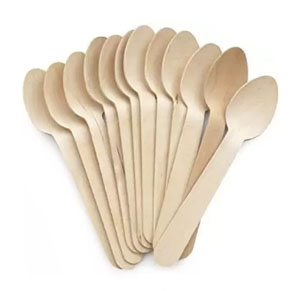
Wooden cutlery is the better choice for most Irish takeaways, because single-use plastic cutlery can no longer be placed on the market under EU rules adopted in Ireland. Wooden cutlery is natural, home compostable and feels solid in the hand. Plastic is only an option now as reusable cutlery, not a throwaway one.
Is plastic cutlery still allowed in Ireland?
Single-use plastic cutlery is banned. Under EU rules adopted in Ireland, single-use plastic cutlery, plates, straws, stirrers and expanded polystyrene cups and food containers can no longer be placed on the market. So the honest version of this comparison is wooden cutlery against reusable plastic, not against the throwaway plastic forks you used to buy by the thousand.
That changes the question for a takeaway. You are not weighing up two options on price alone. You are picking the replacement that suits your food, your customers and your bin setup. The rules behind the switch are set out in the latte levy and single-use plastic rules in Ireland.
How does wooden cutlery compare with plastic?
Wooden cutlery is made from wood, usually birch, so it is natural, home compostable and free of any plastic content. Single-use plastic cutlery was cheap and light but does not break down, and it is now off the market. Reusable plastic still exists, though it suits canteens and staff rooms rather than takeaway orders.
| Point | Wooden cutlery | Single-use plastic |
|---|---|---|
| Allowed for takeaway | Yes | No, banned in Ireland |
| Material | Wood, usually birch | Petroleum-based plastic |
| End of life | Home compostable | Does not break down |
| Feel in the hand | Solid, natural, warm | Light, thin, flexes |
| Heat | Fine with hot food | Softens with heat |
| Cost per piece | A little more | Was the cheapest option |
The other legal replacement is CPLA, a heat-tolerant form of PLA that looks and behaves more like traditional plastic. It needs industrial composting rather than a home heap. The two are set side by side in wooden and CPLA cutlery.
Is wooden cutlery strong enough for real food?
Yes. Birch cutlery is rigid and does not bend or snap the way thin plastic forks did under pressure. It handles hot food, sauces and dense dishes like curries, pasta and loaded fries. Wood also holds its shape in hot liquid, so a wooden spoon in soup stays a spoon.
A few practical points from real use:
- Wooden knives cut soft and medium food well. For something that needs real sawing, give the customer a knife and fork pair rather than a knife alone.
- Wood does not melt, warp or leave a plastic taste in hot food.
- Cutlery packed loose gets damp in a hot bag. Individually wrapped pieces stay dry and look cleaner on a counter.
- Store boxes off the floor and away from steam, the same as you would with napkins.
Does wooden cutlery cost more than plastic?
Wooden cutlery costs a little more per piece than throwaway plastic used to, though the gap has narrowed as demand has grown. The comparison is mostly academic now, because the cheap plastic option is off the market. What matters is the cost per order, and cutlery is a small share of the packaging on any takeaway.
Two ways to keep the spend down without dropping quality. First, only put cutlery in the bag when the order needs it, and ask rather than assume. Plenty of customers eating at home have a drawer full of forks. Second, buy by the case rather than the pack. Cutlery keeps well in dry storage, so bulk buying costs you nothing but shelf space.
Order wooden cutlery by the case
Birch forks, knives, spoons and stirrers, plus eco straws, at trade prices with fast delivery across Ireland.
What do customers think of wooden cutlery?
Most customers read wooden cutlery as a sign that you care about the food and the waste. It feels heavier and more considered than a flexing plastic fork. The common complaint is a dry, splintery feel on cheap wood, so quality matters. Smooth, well-finished birch avoids that entirely.
If you are switching, say so. A small line on the counter or the bag telling people your cutlery is birch and home compostable earns goodwill and heads off the question before it gets asked. It also gives your staff an easy answer when someone asks what the fork is made of.
Wooden, CPLA or metal: which should your takeaway use?
Decide by where the cutlery ends up. Wooden suits most takeaway and delivery orders, because it leaves your premises and needs no special disposal from the customer. Metal only makes sense where the cutlery comes back to you, such as a cafe with seating. CPLA is the third route, weighed up against wood in the sibling guide.
- Takeaway and delivery: wooden. It leaves your premises and never comes back, so home compostable is the safest end of life.
- Events and catering: wooden for volume, or CPLA where the look needs to match a formal setup.
- Sit-in cafe or canteen: reusable metal for anyone eating in, with wooden held back for takeaway orders only. Reusables beat any single-use item on waste.
Whatever you pick, decide the disposal route at the same time. Wooden cutlery in a general bin is still general waste. The wider picture on materials and disposal is in the compostable foodservice packaging guide, and the material choice across your whole range is compared in PLA vs bagasse vs kraft.
Frequently asked questions
Is wooden cutlery better than plastic?
For a takeaway in Ireland, yes. Single-use plastic cutlery can no longer be placed on the market under EU rules adopted in Ireland, so wooden cutlery is one of the legal replacements. It is natural, home compostable, feels sturdier in the hand and copes with hot food without softening or warping.
Is plastic cutlery banned in Ireland?
Yes, certain single-use plastics are banned. Under EU rules adopted in Ireland, single-use plastic cutlery, plates, straws, stirrers and expanded polystyrene food containers and cups can no longer be placed on the market. This is why cafes and takeaways have moved to wooden or CPLA cutlery and fibre-based containers.
Is reusable plastic cutlery still allowed?
Yes. The rules target single-use plastic items placed on the market, not durable cutlery meant to be washed and used again. Reusable plastic still suits canteens, staff rooms and anywhere the cutlery comes back to you. For food leaving your premises it is no use, because it never returns, so wooden is the practical takeaway choice.
Is wooden cutlery strong enough for hot food?
Yes. Birch cutlery is rigid and holds its shape in hot food and hot liquid, unlike thin plastic that softens or bends. It handles curries, pasta, soup and loaded chips without snapping. For food that needs real cutting, supply a knife and fork together rather than a knife on its own.
Does wooden cutlery cost more than plastic?
It costs a little more per piece than throwaway plastic used to, though the gap has narrowed as demand has grown. The comparison matters less now that the cheap plastic option is off the market. Buying by the case rather than the pack, and only adding cutlery when an order needs it, keeps the spend down.
Do I need to put cutlery in every takeaway order?
No, and asking first saves money. Plenty of customers eating at home have a drawer full of forks and do not want another set. Make cutlery something staff offer rather than something they add automatically, and you cut both your packaging spend and the waste leaving your counter.