


Tag Guns and Fasteners: Standard, Fine and Fabric Explained
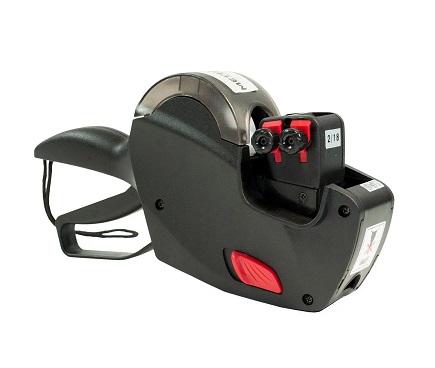
Tag guns attach swing tickets and labels to clothing by firing a small plastic fastener through the fabric. Standard fasteners suit most garments, fine fasteners suit delicate material, and the needle has to match the gun you own. Pick the fastener by fabric first, then buy tags and needles to match it.
What is a tag gun and how does it work?
A tag gun is a handheld tool that attaches swing tickets to clothing and textiles. A hollow needle at the front pierces the fabric, and squeezing the trigger pushes a small plastic fastener through the hole. The fastener has a bar at each end, so it locks the ticket to the garment and will not slip off.
The fasteners come on a clip, sometimes called a pack or a comb. You load the clip into the gun, push the needle through the garment and the hole in the tag, then squeeze. One squeeze fires one fastener and moves the next one into place, so a rail of stock goes out ticketed far quicker than threading each tag by hand.
Aim the needle through a seam, a label edge or the hole punched in the tag itself. Firing straight through the face of a garment leaves a small hole, which is fine on a jumper and not fine on a silk blouse. That is the whole reason fine fasteners and fine needles exist.
What is the difference between standard and fine fasteners?
Standard fasteners are the thicker everyday type and hold well on most clothing, bags and soft goods. Fine fasteners are thinner, so they leave a smaller mark and suit delicate fabrics like knitwear, silk and fine cotton. The fastener must match the needle in your gun, as a fine fastener will not feed through a standard needle.
- Standard fasteners. The default choice. Strong enough for jeans, jackets, towels, bedding and general soft goods.
- Fine fasteners. Thinner plastic for fabrics that mark or ladder. Used with a fine needle in a fine tag gun.
- Fastener length. Shorter fasteners sit tight against the garment and look neater. Longer ones suit thick or bulky items where the tag needs room to hang.
Guns are built for one family of fastener, so a standard gun takes standard fasteners and a fine gun takes fine. Check what your gun is before you order a box, the same way you check price gun labels against your price gun model.
When do you need a fabric or fine needle?
Use a fine or fabric needle when the material will show damage from a standard needle. Knitwear, lingerie, silk, fine cotton and anything sheer all fall into that group. The finer needle makes a smaller hole and pairs with fine fasteners. Needles are consumable, so keep spares in the drawer.
Needles bend and blunt with use. A blunt needle drags the fabric instead of piercing it, which is when holes turn into pulls and staff start forcing the trigger. Most tag guns let you swap the needle in seconds, and the spare screws or clips into the same housing. Replace it as soon as it stops going through cleanly rather than waiting for a ruined garment.
What are kimble tags?
Kimble tags are plastic tag fasteners. Kimble is a brand name that became the everyday word for the fasteners themselves, the way people say Hoover for a vacuum. If a supplier asks whether you want kimbles, they mean the plastic barbs that hold swing tickets on clothing.
You will also hear them called tag pins, tagging barbs or simply fasteners. They are all the same item. What matters when ordering is the type (standard or fine), the length, and that they suit your gun.
Which tags do you use with a tag gun?
Strung or punched swing tickets are the usual partner for a tag gun. The fastener goes through the hole in the tag and then through the garment, so the tag needs a punched hole or an eyelet. Plain card without a hole will tear, and self-adhesive price labels are for packaging, not fabric.
Choose the tag size by what has to fit on it. A small ticket carries a price and a size. A larger one carries a brand name, care wording, a barcode or an offer. If you print your own barcoded tickets, a thermal label printer covers that side of the job, compared in barcode label printers compared.
Tag gun or price gun: which does your shop need?
Use a price gun for anything with a flat surface a sticker can grip, such as tins, boxes, jars and packaging. Use a tag gun for clothing, textiles and soft goods where a sticker would fall off or damage the fabric. Clothing shops that also sell packaged goods usually keep both on the counter.
| Job | Tool | What holds the price on |
|---|---|---|
| Tinned and packaged goods | Price gun | Self-adhesive label |
| Clothing and knitwear | Tag gun, standard or fine | Plastic fastener through a swing ticket |
| Delicate fabrics | Fine tag gun and fine needle | Fine fastener through a seam or tag hole |
| Barcoded stock control | Barcode label printer | Printed barcode label or ticket |
Both tools sit in the same corner of the shop and both are covered in the price guns and labelling guide. If you are new to the price gun side, start with how do price guns work.
Ticket your stock properly
Tag guns, standard and fine fasteners, spare needles and matching swing tickets, at trade prices with fast Irish delivery.
Frequently asked questions
What is a tag gun used for?
A tag gun attaches swing tickets and labels to clothing and textiles by firing a small plastic fastener through the fabric, much faster than threading by hand. Standard fasteners suit most garments, fine fasteners are for delicate fabrics, and fabric or tagging needles match the gun. It is the standard tool for ticketing clothing and soft goods in retail.
What is the difference between standard and fine tag fasteners?
Standard fasteners are thicker and hold well on most clothing, bags and soft goods. Fine fasteners are thinner, leave a smaller mark and suit delicate fabrics such as knitwear, silk and fine cotton. The fastener has to match the needle in your gun, because a fine fastener will not feed through a standard needle.
Are kimble tags the same as tag fasteners?
Yes. Kimble is a brand name that became the everyday word for the plastic fasteners themselves. Kimble tags, tag pins, tagging barbs and tag fasteners all describe the same small plastic barb that holds a swing ticket on a garment. What matters when ordering is the type, the length and that they fit your gun.
Do tag guns damage clothes?
A tag gun makes a small hole, so aim through a seam, a care label or the punched hole in the tag rather than the face of the garment. On delicate fabric, use a fine needle and fine fasteners. A blunt needle causes most of the damage, so replace it as soon as it stops piercing cleanly.
How do you change a tag gun needle?
Most tag guns let you swap the needle in seconds. Unload the fastener clip, release the needle housing at the front of the gun, lift out the old needle and fit the replacement the same way round. Needles are consumable and bend or blunt with use, so keep spares with your fasteners.
What tags do you use with a tag gun?
Strung or punched swing tickets. The fastener passes through the hole in the tag and then through the fabric, so the tag needs a punched hole or an eyelet. Plain card without a hole will tear away. Self-adhesive price gun labels are for packaging, not for clothing.